Gym Strength Training Routines for Women Over 50
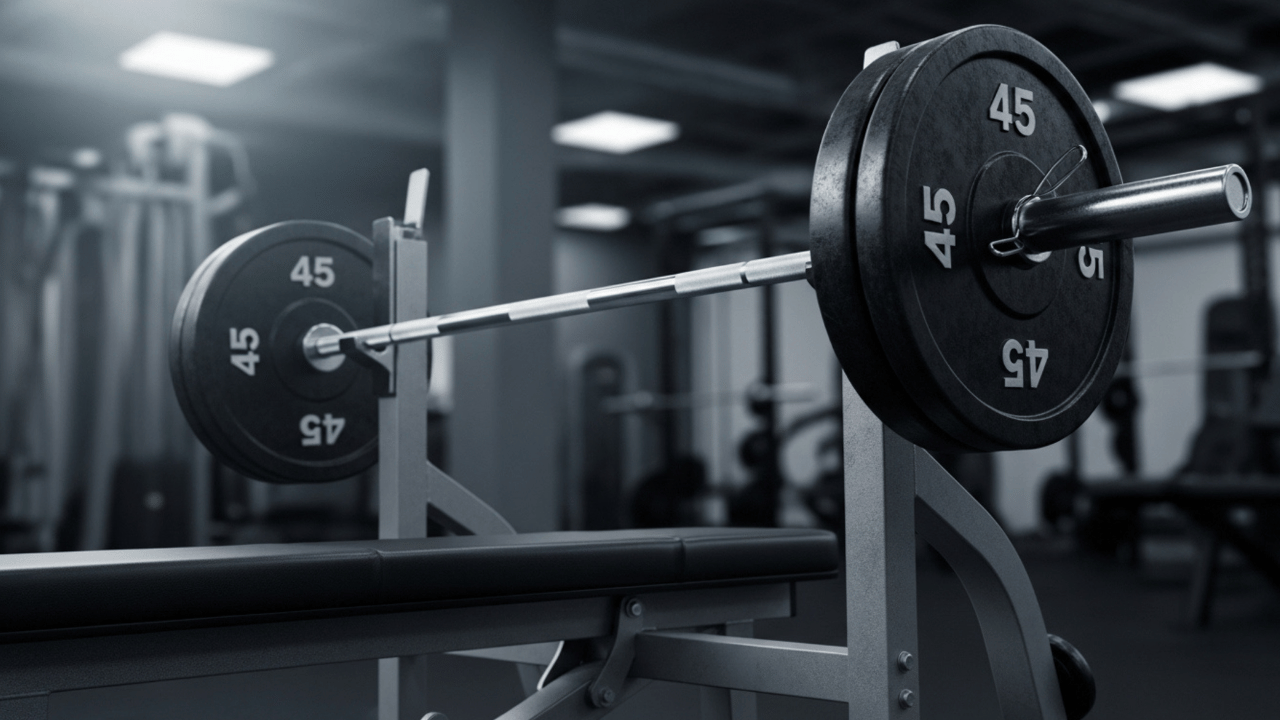
As we get older, keeping strength and mobility becomes essential for health, independence, and everyday energy. Strength training designed for women over 50 helps build muscle, support bone health, and make daily movement easier. Below you'll find the benefits of resistance work, the best exercises for this stage of life, how to construct smart gym sessions, nutrition tips that support muscle, and the equipment that keeps workouts safe. We’ll also explain how online coaching can give you personalized support and guidance — whether you’re returning to the gym or starting fresh. Explore programs tailored to this phase of life.
TL;DR
Strength training is crucial for women over 50 to maintain health, independence, and energy.
It builds muscle, supports bone health, and simplifies daily movement.
This guide covers benefits, exercises, workout design, nutrition, and equipment.
Online coaching offers personalized support for all fitness levels.
What Are the Key Benefits of Strength Training for Women Over 50?
Regular resistance training delivers big wins for women over 50 — from stronger muscles and denser bones to improved daily function and more energy. These changes help offset age-related muscle loss, reduce the risk of osteoporosis and fractures, and make everyday tasks (and hobbies) easier and more enjoyable. Strength work also supports balance and mobility, which are central to staying independent as you age. Learn more about how a consistent program improves overall health and quality of life.
Research backs up the wide-ranging benefits of community and evidence-based strength programs for midlife and older women.
Strength Training Programs for Women Over 40
Physical activity is a key factor in preserving health and function with age, especially for women. Strength training reduces weakness and frailty and helps lower the risk of chronic disease. Community programs make strength work accessible and sustainable. The StrongWomen Program is an evidence-informed, community-based strength training initiative created to help women aged 40 and older maintain strength, function, and independence.
Design and national dissemination of the StrongWomen community strength training program, RA Seguin, 2007
How Does Resistance Training Improve Muscle Mass and Bone Density?
Resistance training prompts muscle protein synthesis — the process that repairs and builds muscle — which is vital for maintaining muscle mass as hormones and metabolism change with age. Lifting and loading also stimulate bone remodeling: the forces on bone signal it to get stronger, helping preserve bone density and lower fracture risk. Consistent, appropriately progressed training produces measurable gains in both muscle and bone health over time. For program ideas, see our Built 2 Last approach.
Clinical studies have measured positive changes in bone mineral density from varied resistance-training routines in older adults.
Resistance Training for Bone Density in Older Adults
Resistance training is increasingly used to support bone health. Studies comparing higher- and lower-intensity resistance work, performed two to three times weekly, report positive bone-density responses at the hip and spine across different training styles. This research examined the dose–response effects of 40 weeks of resistance training on lumbar spine, proximal femur, and total-body bone mineral density in adults aged 55–74.
Dose–response effect of 40 weeks of resistance training on bone mineral density in older adults, MG Bemben, 2011
What Are the Overall Health and Vitality Improvements?
When strength training becomes part of a regular routine, the benefits extend beyond muscles and bones. You’ll often see better cardiovascular health, reduced risk of conditions like type 2 diabetes and heart disease, clearer mood, deeper sleep, and more sustained energy through the day. Women who lift regularly also report greater confidence in daily activities — from playing with grandchildren to gardening or traveling — because movement feels easier and more reliable.
Which Strength Training Exercises Are Best for Women Over 50?
Choosing the right exercises keeps workouts safe and effective. Prioritize compound movements that work multiple muscle groups at once — these deliver the most functional benefit and transfer directly to everyday tasks.
What Are Safe Weightlifting Techniques for Older Women?
Form matters more than heavy weights. Focus on a neutral spine, controlled movement through a full (but comfortable) range, and breathing with effort. Start with a solid warm-up to prepare joints and muscles. Use weights that challenge you but don’t compromise technique — and progress from there. If something feels sharp or unstable, adjust the movement or seek coaching to modify safely.
How to Incorporate Progressive Overload in Senior Fitness Routines?
Progressive overload means gradually increasing the challenge so your body keeps adapting. For women over 50, that can be as simple as adding a little weight, one or two extra reps, more time under tension, or an extra set over several weeks. Small, consistent increases — tracked and adjusted — are the safest and most reliable path to steady strength gains.
How to Design Effective Gym Workouts Tailored for Women 50 Plus?
A personalized plan makes your time in the gym count. Base your program on current fitness, goals, and any movement restrictions. Balance strength sessions with cardio and mobility work so you build strength without sacrificing flexibility or recovery.
What Are Step-by-Step Gym Workout Plans for Beginners to Advanced Levels?
A smart plan mixes strength, cardiovascular conditioning, and mobility. Beginners can start with two to three full-body strength sessions per week, focusing on major muscle groups and fundamental patterns (squat, hinge, push, pull, carry). As you progress, add volume, complexity, or frequency — for example, split routines, tempo work, or heavier sets with longer rest. Sample exercises include squats, lunges, push-ups (or incline variations), rows, and band work, scaled to your ability.
How to Modify Exercises for Joint Health and Mobility?
Joint-friendly modifications keep you consistent. Reduce range of motion, use lighter loads, swap standing moves for seated or supported versions, or add stability aids like bands or a bench. Prioritize mobility and balance drills alongside strength work to protect joints and improve movement quality over time.
What Nutrition Tips Support Muscle Growth and Strength Training After 50?
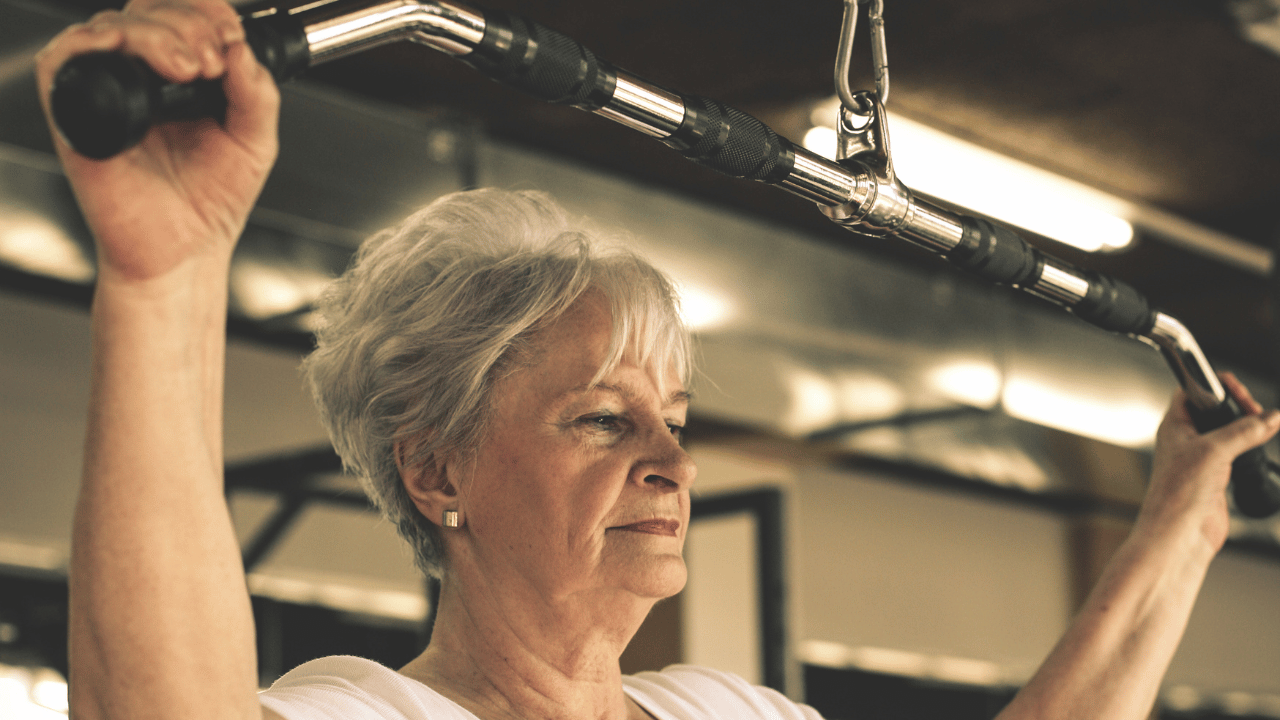
Nutrition is the companion to training: the right food helps build and repair muscle, fuels workouts, and supports bone health. Aim for balanced meals with quality protein, healthy fats, and complex carbohydrates to power performance and recovery.
Which Nutritional Strategies Enhance Resistance Training Benefits?
Protein is especially important as we age. Aim for roughly 1.0–1.6 grams of protein per kilogram of body weight daily to support muscle repair and growth, prioritizing protein at meals and around workouts. Include lean meats, fish, dairy, legumes, and nuts. Stay hydrated and ensure adequate vitamin D and calcium for bone health — both matter alongside your training.
Nutrition research highlights protein’s central role in preserving muscle mass and strength with age.
Nutrition for Muscle Mass & Strength in Older Adults
Sarcopenia — the progressive loss of muscle mass and strength with age — has drawn increased attention. Reviews of the evidence identify nutrition, especially protein intake, as a key factor in preserving muscle. An intake around 1.0–1.2 g/kg/day is often recommended for older adults. Overall adequate nutrition and attention to dietary balance are important parts of any strategy to maintain muscle and function during aging.
Impact of nutrition on muscle mass, strength, and performance in older adults, 2013
How to Integrate Diet with Strength Training Programs for Women Over 50?
Match your eating to your training. Aim for a protein-rich meal or snack before and after workouts when possible, spread protein across the day, and adjust calories based on activity and goals. Simple, consistent nutrition paired with a sensible training plan supports better recovery and steady progress.
Which Equipment Is Recommended for Senior Women’s Strength Training?
Pick equipment that supports progression while minimizing injury risk. Tools that let you scale load and control movement work best for steady, safe improvement.
What Are the Best Gym Tools and Accessories for Older Women?
Favorites include resistance bands, dumbbells, kettlebells, and stability balls. Bands are versatile for home or travel, dumbbells and kettlebells let you increase load in small steps, and stability balls help build core strength and balance. These tools cover a broad range of effective, low-risk exercises.
How to Use Equipment Safely to Maximize Workout Effectiveness?
Learn proper setup and technique for each tool before pushing load. Start light, practice movement quality, and adjust equipment to fit your body. For heavier lifts, use a spotter or coach when needed. Prioritizing technique keeps workouts productive and safe.
How Do Online Coaching Programs Support Gym Strength Training for Women Over 50?
Online coaching offers structure, accountability, and expert guidance tailored to your life and goals. Programs can teach technique, plan progression, and give nutrition and recovery advice — all delivered in a way that fits your schedule.
What Personalized Coaching Options Are Available for Senior Women?
Many coaches create customized programs for women over 50, combining progressive strength plans, mobility work, and nutrition guidance. These options range from templated programs with check-ins to fully one-on-one coaching that adapts as you progress. Find a program that matches your level, lifestyle, and goals. Learn more about available coaching options.
How Does Community Support Enhance Motivation and Success?
Community keeps you consistent. Training with others — whether in a virtual group, class, or forum — provides encouragement, accountability, and shared wins. Many women find that community connection makes the difference between starting and sticking with a stronger, healthier routine.
With a program built around appropriate exercises, sensible progression, and supportive nutrition, women over 50 can make meaningful gains in strength, bone health, and everyday vitality. Online coaching and community options add structure and accountability, helping you move confidently toward your goals.
Start Getting Fit Today
Strength training tailored to women over 50 produces real, lasting benefits — stronger muscles, healthier bones, and more energy for the life you want to live. Focus on safe technique, steady progression, and balanced nutrition, and you’ll see dependable progress. If you want guidance that fits your schedule and goals, our coaching options give personalized plans and ongoing support. Ready to get started? Contact us to explore our programs and take the next step toward a stronger, healthier you.