Maximize Muscle with Exercise on GLP-1 Medications
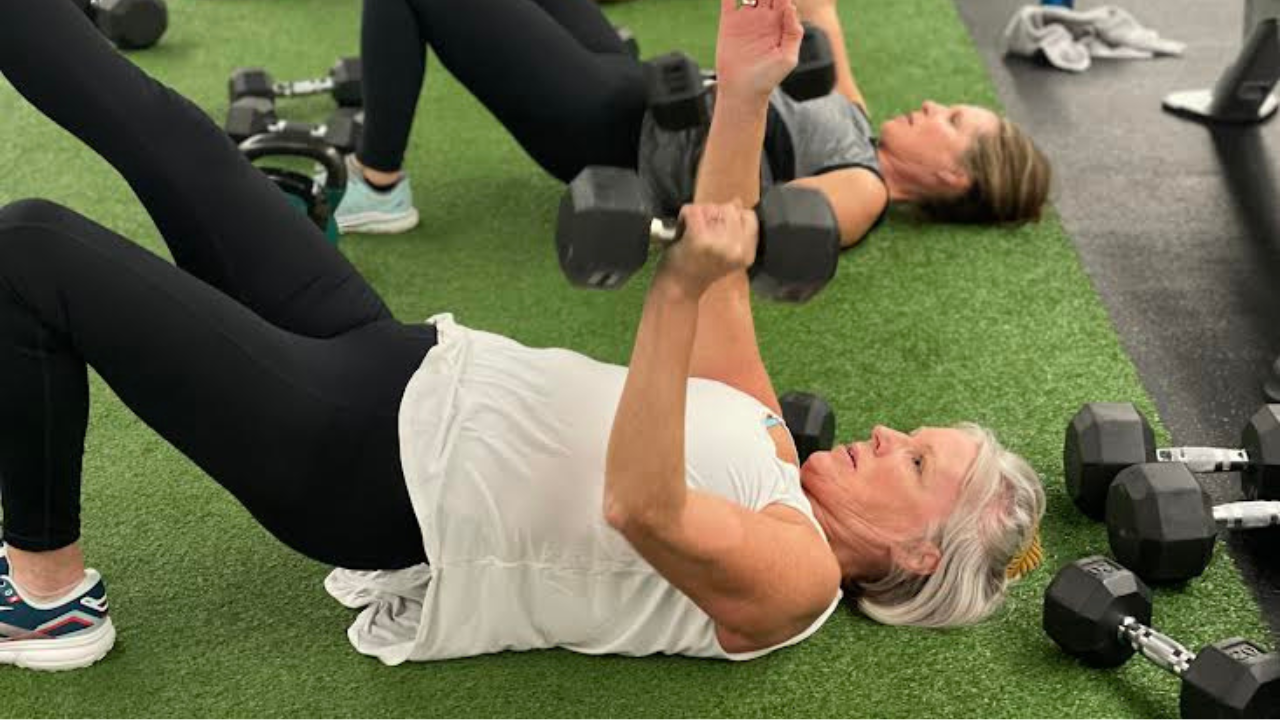
Navigating exercise while on GLP-1 medications can be challenging, especially for individuals aiming to lose weight without sacrificing muscle mass. This article will explore safe and effective exercise strategies tailored for those using GLP-1 medications, focusing on methods to preserve lean muscle while promoting weight loss. As these medications can influence metabolism and appetite, understanding how to exercise safely while protecting muscle is essential for optimal health outcomes. We will delve into recommended exercises, necessary safety precautions, and nutritional considerations that support muscle preservation. Additionally, we'll discuss how personalized coaching can play a crucial role in achieving fitness goals specifically for women over 50.
Recommended Exercises
Engaging in the right types of exercise is vital for preserving muscle mass while losing weight on GLP-1 medications. A balanced routine should incorporate strength training, cardiovascular exercise, and flexibility work. Each form of exercise offers distinct benefits that contribute to overall fitness and muscle preservation. By strategically combining these exercise types, individuals can maximize their efforts and achieve significant results.
Strength Training
Strength training is a cornerstone of any fitness regimen aimed at preventing muscle loss during weight loss. This form of exercise promotes the maintenance and development of lean muscle mass, which is crucial when on GLP-1 medications. Engaging in compound movements that target multiple muscle groups, such as squats, deadlifts, and bench presses, is particularly beneficial. Aim for a strength training routine 2-3 times per week, focusing on lifting heavier weights with fewer repetitions to stimulate muscle growth effectively. In addition, gradually increasing resistance over time can enhance strength and prevent plateaus.
Cardiovascular Exercise
Cardiovascular exercise is essential for supporting heart health and facilitating weight loss. When engaging in cardio while on GLP-1 medications, it is crucial to choose low- to moderate-intensity workouts that do not overly tax the body. Activities like walking, cycling, or swimming for at least 150 minutes weekly can help maintain cardiovascular fitness while also contributing to weight management. Totaling around 150 minutes of moderate cardio most weeks is an excellent target. Not only does cardio assist in burning calories, but it can help improve mood and overall well-being, which is particularly important during a weight loss journey.
Flexibility and Balance
Flexibility and balance exercises play an integral role in a comprehensive fitness program, especially for individuals using GLP-1 medications. Incorporating stretching, yoga, or Pilates can enhance mobility, reduce injury risk, and complement strength training. These exercises should be performed at least twice a week to maintain joint health and flexibility. By emphasizing body awareness and proper alignment, flexibility workouts also contribute to better overall movement patterns in other exercise modalities.
Safety Precautions
When exercising while taking GLP-1 medications, certain safety precautions should be prioritized to avoid potential complications and maximize results. Monitoring how the body responds to exercise is essential, as these medications can affect blood sugar levels and hydration needs.
Monitor Blood Sugar Levels: Check blood sugar levels before, during, and after workouts to prevent hypoglycemia. Recognize the signs of low blood sugar and maintain a quick source of carbohydrates on hand.
Hydration Practices: Staying hydrated is critical, particularly when engaging in physical activity. Drink water before, during, and after exercise to maintain optimal hydration levels, preventing dehydration-related complications.
Listening to Your Body: Pay attention to how your body feels during exercise. Symptoms like dizziness, excessive fatigue, or irregular heartbeat should not be ignored. Adjust the intensity or take breaks to ensure safety.
To enhance your fitness journey while on GLP-1 medications, consider seeking personalized coaching programs that understand the unique needs of women over 50. Personalized coaching programs can provide tailored fitness plans that accommodate the unique challenges faced by women over 50 on GLP-1 medications. Coaches can help ensure accountability, provide motivation, and adjust programming as needed to achieve sustainable results.
Nutritional Considerations
Nutrition is an essential pillar in effectively exercising on GLP-1 medications. A balanced diet can support muscle preservation and enhance workout outcomes, making it vital to understand the role of protein, nutrient density, and post-workout nutrition.
Increase Protein Intake
Increasing protein intake is crucial for muscle maintenance while on weight loss medications. Aim for a daily protein intake of about 1.2 to 2.0 grams of protein per kilogram of body weight, focusing on high-quality sources. Options such as lean meats, fish, dairy, legumes, and plant-based protein powders can help meet these goals. Emphasizing protein not only aids in muscle repair and growth but also promotes satiety and healthy metabolism.
Balanced Diet
A balanced diet that includes a variety of whole foods is fundamental for overall health and muscle preservation. Incorporate fruits, vegetables, whole grains, and healthy fats into daily meals. Limiting processed foods that lack nutrient density can also help maintain energy levels and support exercise performance. Aim to consume nutrient-dense foods that provide vitamins and minerals, facilitating recovery and enhancing overall fitness.
Post-Workout Nutrition
Post-workout nutrition is vital for recovery and muscle preservation. Consuming recovery snacks or meals rich in protein and carbohydrates within 30 minutes of exercising can optimize glycogen replenishment and support muscle repair. Examples include protein shakes, Greek yogurt with fruit, or a balanced meal containing lean protein and complex carbohydrates. This nutritional strategy enhances recovery times and prepares the body for subsequent workouts.
How GLP-1 Medications Influence Appetite and Metabolism
GLP-1 medications exert their effects on appetite regulation and metabolism, acting primarily through mechanisms that influence hormone release and digestion. By slowing gastric emptying, these medications can lead to a sense of fullness, thereby reducing caloric intake. Additionally, they enhance insulin secretion and lower glucagon levels, improving blood sugar management. Understanding these mechanisms helps tailor exercise and dietary strategies that align with the effects of GLP-1, ultimately supporting successful weight loss while minimizing muscle loss.
Benefits
The benefits of GLP-1 medications include improved glycemic control, significant weight loss, and a decrease in appetite. These medications can be powerful allies for individuals seeking to achieve and maintain their weight loss goals. They can also reduce the risk of obesity-related complications such as cardiovascular disease and metabolic syndrome.
Potential Side Effects
Users of GLP-1 medications should be aware of potential side effects, which may include nausea, vomiting, and gastrointestinal upset, especially during initial dosages. These effects can impact exercise tolerance and dietary habits, making it crucial to consult with healthcare providers when adjustments are necessary.
Exercising Safely While Protecting Muscle
Successfully exercising on GLP-1 medications involves critical strategies to protect muscle mass during weight loss efforts. Implementing a balanced routine while ensuring adequate protein intake and tracking muscle mass progress is essential for maintaining results. Working with fitness professionals ensures that your exercise plan is optimized for your unique needs when using GLP-1 medications.
Adequate Protein Intake
Meeting protein intake goals promotes muscle retention and supports overall recovery. For individuals on weight loss medications, focusing on protein-rich foods during each meal can facilitate adherence to dietary guidelines, especially in the context of an exercise program.
Balanced Routine
A balanced routine integrating various exercise modalities should include strength training, cardio, and flexibility work. Ensuring that muscle groups are adequately stimulated with a progressive strength training plan helps to minimize losses effectively.
Focus on Tracking Muscle Mass
Monitoring muscle mass and body composition can guide fitness strategies effectively while on GLP-1 medications. Utilizing tools like body composition scales or measuring circumference can help provide insights into whether exercise efforts are yielding desired results, prompting timely adjustments.
Which Strength Training Exercises Prevent Muscle Loss on GLP-1 Medications?
Certain strength training exercises are particularly effective at preserving muscle mass while on GLP-1 medications. Compound movements such as squats, deadlifts, and overhead presses engage multiple muscle groups and contribute to overall strength gains.
Squats: A foundational lower body exercise that strengthens the legs and core, helping to enhance overall stability.
Deadlifts: This compound movement targets the posterior chain, making it essential for maintaining back strength and posture.
Overhead Presses: Important for developing upper body strength, overhead presses assist in enhancing functionality in daily activities.
Incorporating these exercises into a weekly routine can help prevent muscle loss and foster a stronger physique during weight loss. For comprehensive fitness guidance, consider exploring resources at Anna McGee's Fit-4-Life program.
What Are Safe and Effective Resistance Training Guidelines?
When incorporating resistance training while on GLP-1 medications, several effective guidelines can enhance safety and optimize results:
Start with lighter weights to gauge strength levels and form before advancing to heavier weights.
Focus on controlled movements to prevent injury, emphasizing proper technique and alignment.
Allow adequate recovery time between sessions, ensuring that muscle groups have time to repair and grow.
Following these guidelines will help maximize the benefits of resistance training while minimizing risks.
How to Structure Progressive Resistance Workouts for Muscle Retention
A well-structured resistance workout plan focused on progressive overload is key for muscle retention on GLP-1 medications. Progressively increasing resistance, adjusting repetitions, and modifying rest intervals can help challenge muscles effectively while encouraging growth.
Begin with Baseline Assessment: Determine maximum repetitions with a weight that challenges but does not compromise technique.
Weekly Adjustments: Aim to gradually increase weight by 5-10% each week as strength improves.
Diverse Modalities: Include various equipment like dumbbells, resistance bands, and machines to provide diverse challenges.
Applying these concepts fosters muscle retention and enhances strength outcomes in the long run.
How Does Nutrition Support Muscle Preservation While Using GLP-1 Medications?
Nutrition plays an integral role in supporting muscle preservation while using GLP-1 medications. Understanding macronutrient distribution, particularly in protein, is essential to sustaining lean body mass during weight loss.
Prioritize Protein: Include protein-rich sources in every meal; this boosts muscle synthesis.
Balanced Macronutrients: Incorporate healthy fats and complex carbohydrates for energy and overall health.
Supplementation: Consider supplementing with branched-chain amino acids (BCAAs) to support muscle retention when dietary protein sources are limited.
Following these nutritional strategies can significantly impact maintaining muscle mass and enhancing recovery.
What Protein Intake Is Recommended to Protect Muscle Mass?
To effectively protect muscle mass while losing weight on GLP-1 medications, a daily protein intake of 1.2 to 2.0 grams per kilogram of body weight is recommended. High-quality sources, such as lean meats, fish, dairy, and plant-based proteins, can help achieve these goals.
Which Nutrients and Hydration Practices Enhance Fitness on GLP-1?
Along with protein, certain nutrients are particularly beneficial for fitness while using GLP-1 medications:
Omega-3 Fatty Acids: Found in fatty fish, flaxseeds, and walnuts, these promote heart health and reduce inflammation, aiding recovery.
Vitamins and Minerals: Ensure adequate intake of vitamins D and B12, alongside minerals like magnesium, to support energy metabolism and overall health.
Hydration: Drinking plenty of water throughout the day aids in keeping hydration levels optimal during workouts.
Implementing these nutritional insights supports improved physical fitness outcomes for those using GLP-1 medications.
What Are Customized Workout Plans for Women Over 50 on GLP-1 Medications?
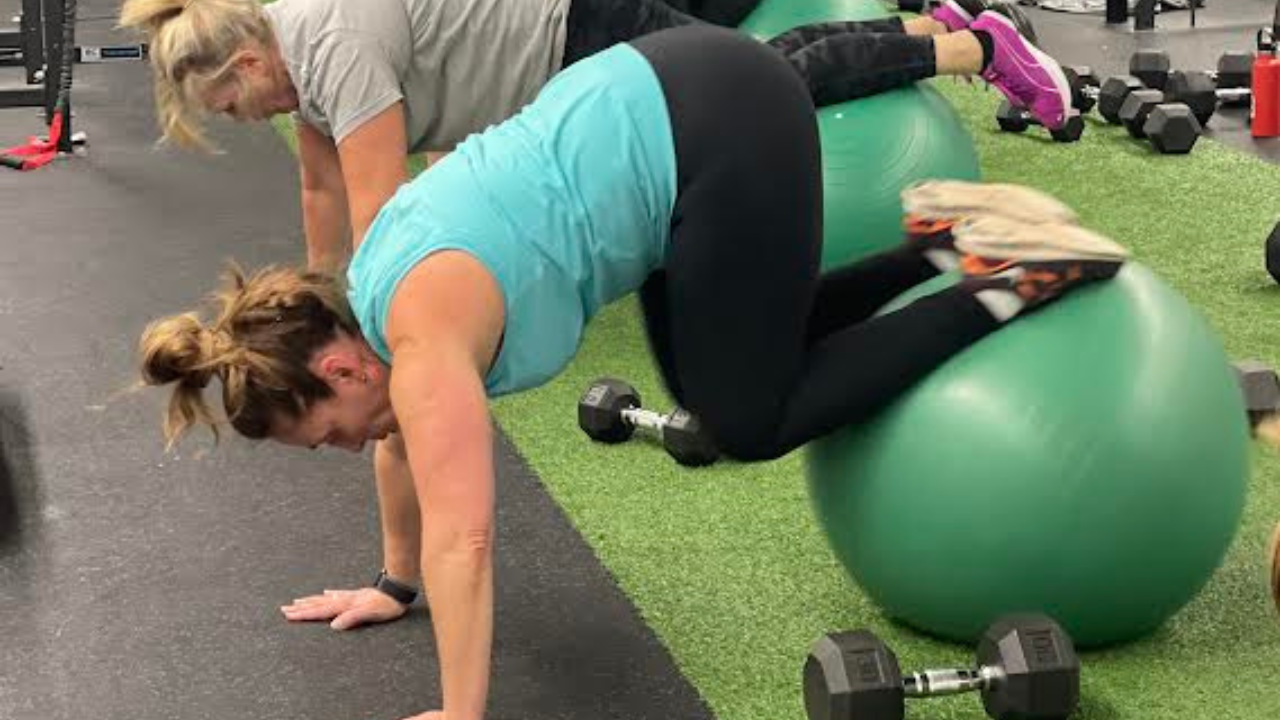
Customized workout plans for women over 50 using GLP-1 medications should consider individual fitness levels, preferences, and health conditions. Incorporating strength training, low-impact cardio, and flexibility work can promote muscle preservation and overall fitness. For those seeking to build foundational strength and endurance, exploring fitness programs focused on lasting results can be highly beneficial.
How Do Personalized Coaching Programs Address Medication Fitness Needs?
Personalized coaching programs can provide tailored fitness plans that accommodate the unique challenges faced by women over 50 on GLP-1 medications. Coaches can help ensure accountability, provide motivation, and adjust programming as needed to achieve sustainable results.
What Are Example Workouts Designed for Medication Users?
Effective example workouts for individuals using GLP-1 medications might include:
Strength Circuit: Three rounds of 10-15 reps of squats, push-ups, and lunges.
Cardio Interval Training: 30 seconds of brisk walking followed by 30 seconds of rest or lower-intensity exercises.
Flexibility Session: A combination of stretching and yoga poses for 20 minutes.
These structured workouts balance various exercise modalities, promoting results while protecting muscle mass.
How Can You Monitor Progress and Stay Safe Exercising on GLP-1 Medications?
Monitoring progress during exercise on GLP-1 medications involves keeping track of energy levels, strength, and overall well-being.
Weekly Check-Ins: Regularly assess progress towards performance goals and adjust training as necessary.
Body Composition Tracking: Measure changes in body composition to ensure muscle retention is occurring alongside weight loss.
Wellness Surveys: Consider tracking symptoms related to GLP-1 side effects or changes in appetite.
Staying vigilant in monitoring helps maintain safety and effectiveness in fitness endeavors.
What Signs Indicate Effective Muscle Preservation During Weight Loss?
Recognizing the signs of effective muscle preservation during weight loss on GLP-1 medications is essential to assessing a fitness program's success. Look for:
Stable Strength Levels: Maintaining or improving strength in resistance training indicates effective muscle retention.
Body Composition Changes: Lean mass measurements via body composition scales can confirm whether muscle mass is preserved during weight loss.
Recovery Status: The ability to recover well between workouts suggests that the body is adapting positively to the training stimuli and maintaining muscle.
These indicators help ensure that weight loss efforts align with muscle preservation goals.
Which Precautions Should Women Take to Exercise Safely with GLP-1?
Women using GLP-1 medications should prioritize specific safety precautions to exercise effectively while minimizing risks. Steps include:
Consulting healthcare providers for personalized guidance before beginning any new exercise regimen.
Gradually increasing workout intensity to prevent overexertion, especially during initial phases.
Utilizing proper form and technique during exercises to minimize injury risks.
Implementing these precautions creates a foundation for safe and effective fitness experiences.
Where Can Success Stories and Clinical Research Guide Your GLP-1 Exercise Journey?
Reviewing success stories and research studies can provide inspiration and evidence-based guidance on exercising while using GLP-1 medications. Many clinicians recommend incorporating real-life testimonials to exemplify successful strategies for muscle retention and weight loss. Empirical studies also validate the effectiveness of exercise approaches catering to individuals utilizing GLP-1 medications, reinforcing the importance of fitness in weight management. For a holistic approach to well-being, explore Anna McGee's resources on fitness and well-being.
What Clinical Studies Support Strength Training Benefits on GLP-1?
Clinical studies support the benefits of strength training for muscle preservation among individuals on GLP-1 medications. Research indicates that consistent strength training not only counters muscle loss but may also enhance overall metabolic function. Experiments have demonstrated that even small resistance-based exercise regimens yield significant results, showcasing strength training's role in effective weight loss strategies.
How Have Women Over 50 Achieved Results with GLP-1 Fitness Programs?
Women over 50 using GLP-1 medications have reported successful fitness outcomes through tailored programs, emphasizing the incorporation of strength, flexibility, and balance training. Many have experienced enhanced quality of life and improved muscle retention while navigating the challenges of aging and weight loss. These success stories highlight the transformative power of individualized fitness approaches and the vital role of consistency and support in achieving lasting results.
Take Control of Your Fitness Journey Today
Exercising safely while on GLP-1 medications is a multifaceted process that requires attention to appropriate exercise selection, nutritional support, and monitoring of individual responses. By integrating strength training, cardiovascular activity, and flexibility exercises, along with proper protein intake and personalized coaching, individuals—especially women over 50—can protect muscle mass and achieve sustainable weight loss. Knowledge of safety precautions and adherence to progressive training guidelines further enhance outcomes. Embracing a holistic approach that combines medication effects with targeted fitness strategies empowers users to optimize their health and fitness journey effectively.
Ready to protect your muscle mass and enhance your fitness while using GLP-1 medications? Explore personalized coaching programs designed specifically for women over 50, and start achieving sustainable health and wellness goals now.