No Equipment Workouts That Transform Your Body
Ready to feel stronger, leaner, and more vibrant without ever setting foot in a gym? Discover the power of bodyweight workouts designed specifically for women over 50. These effective routines use your own body as the ultimate fitness tool to build lean muscle, boost your metabolism, and support graceful aging, all from the comfort of your home. In this guide, you’ll find complete body routines, focused moves for your arms, legs, and core, muscle-building circuits, and smart lifestyle tips. Plus, get a glimpse into Anna McGee’s proven online programs. Let’s map out the exercises, nutrition, progression strategies, and coaching support you need to transform your body and keep those amazing results coming.
What Are the Top Bodyweight Exercises for Women Over 50?
Bodyweight workouts harness the power of your own body for resistance, helping you build strength, tone muscles, and enhance mobility. These routines are perfect for women over 50 because they can be easily adapted to your current fitness level, are gentle on aging joints, and require absolutely no equipment. For instance, a full-body session that includes squats, push-ups, and planks can work multiple muscle groups at once and get your heart pumping for effective fat burning.
The Remarkable Effects of Resistance Training on Body Composition, Muscle Strength, and Functional Fitness in Older Women
A thorough review of 38 studies from 2010 to 2020, involving over 2500 women aged 45-80, confirmed that resistance training significantly benefits muscle mass, strength, and functional fitness. This type of training is key to counteracting the natural decline in skeletal muscle mass and strength that comes with age, which is vital for maintaining a high quality of life.This research directly backs up our points that no-equipment workouts, a form of resistance training, can empower mature women to build muscle and enhance their overall fitness.
Which Full Bodyweight Exercises Build Strength and Tone?
Five fundamental bodyweight movements offer a comprehensive approach to building strength and sculpting your physique:
Bodyweight Squats: Focus on pushing your hips back and down to effectively engage your quads, glutes, and core.
Incline Push-ups: Use a sturdy elevated surface to work your chest, shoulders, and triceps while being kinder to your wrists.
Glute Bridges: Activate your posterior chain by lifting your hips, which is excellent for supporting lower-back health.
Plank Variations: Hold a strong, straight line to build strength in your abdominals and the muscles supporting your spine.
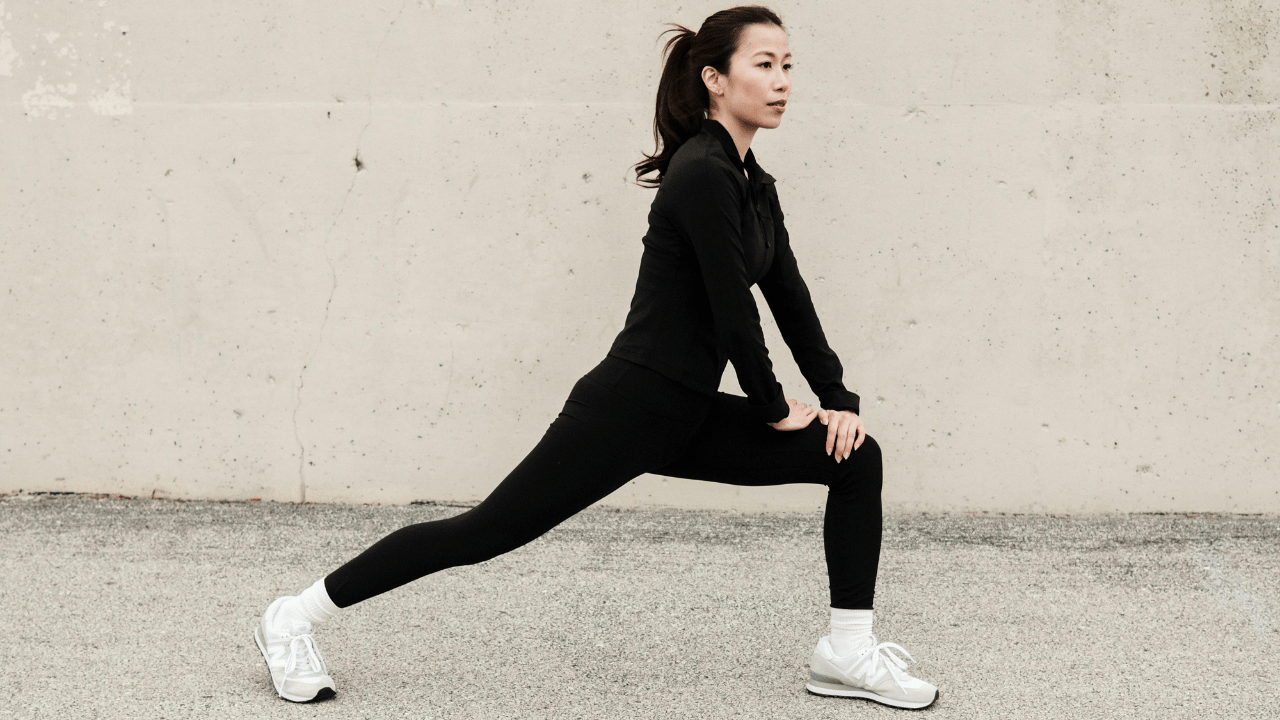
Alternating Reverse Lunges: Step back with control to improve your balance and build strength in each leg independently.
Each of these exercises can be easily modified and progressed to keep challenging your body and driving continuous strength improvements.
How Do Bodyweight Workouts Enhance Bone Density and Metabolism After 50?
Bodyweight training stimulates bone-building cells through the mechanical stress it places on your skeleton and boosts your metabolic rate by increasing lean muscle mass. Consider these examples:
Squats are a foundational exercise that supports bone density in the lower body. This is achieved through a mechanism that applies compressive force to the hips and spine, which signals the bones to grow stronger and denser over time.
Push-ups are a classic exercise for building upper-body strength. Their mechanism involves providing resistance through a full range of motion, which targets muscles in the chest, shoulders, and triceps. This continuous resistance is what helps build muscle and improve overall strength.
Plank holds are a core-strengthening exercise. Their mechanism creates isometric tension to enhance muscle fiber engagement, meaning the muscles are contracted without the joint angle changing. This static hold is highly effective for activating and strengthening the core muscles, leading to improved stability and posture.
The Power of Resistance Training: Evidence-Based Recommendations for Middle-aged and Older Women's Health
This comprehensive review highlights that consistent resistance training is highly effective in preventing and managing chronic diseases, improving muscle strength, increasing bone density, and significantly reducing the risk of falls and fractures in older women. This type of training is crucial for maintaining independence and enhancing overall life enjoyment.This review strongly supports the article’s claims about how bodyweight exercises, as a form of resistance training, contribute to better bone density, a lower risk of falls, and overall healthy aging for women over 50.
What Are Beginner-Friendly Bodyweight Workouts for Mature Women?
Chair Squats: Use a chair for support and guidance on depth, making squats more accessible.
Wall Push-ups: A gentler alternative that reduces the load on your shoulders and wrists.
Standing Calf Raises: Strengthen your ankles and calves without the need to be on the floor.
Seated Leg Extensions: Isolate and strengthen your quadriceps while comfortably seated.
Knee Planks: Build core strength with a modified, less intense plank position.
Starting with 1–2 sets of 8–12 repetitions is a great way to build confidence and master proper form before moving to more challenging variations.
How Can You Progress from Beginner to Advanced Bodyweight Routines?
Gradually increase repetitions or hold times each week to ensure your body continues to adapt.
Incorporate single-leg or single-arm variations to develop strength and balance on each side of your body.
Combine exercises into supersets or circuits to increase the intensity and challenge.
Adjust the tempo, particularly by slowing down the lowering (eccentric) phase of movements, to create more muscle tension.
By consistently and strategically challenging your body, you’ll build resilience, avoid plateaus, and minimize your risk of injury.
How Do Targeted Bodyweight Exercises Tone Arms, Legs, and Core for Women Over 50?
Tricep Dips: Use a sturdy chair to work the back of your arms by extending your elbows.
Modified Push-ups: Performing push-ups on your knees keeps tension on your chest and triceps while being more accessible.
Plank Shoulder Taps: Enhance core stability while engaging your shoulders through alternating taps.
Arm Circles: Perform slow, small circles to improve shoulder mobility and build endurance.
Wall Slides: Press your forearms upward against a wall to strengthen the muscles of your rotator cuff.
Practicing these movements consistently will help sculpt your arms while being mindful of sensitive joints.
Which Leg and Glute Bodyweight Workouts Enhance Strength and Mobility?
Walking Lunges: Build functional leg strength and improve hip flexibility with this dynamic movement.
Glute Bridges with March: Alternate lifting one leg while holding the bridge to challenge your pelvic stability.
Calf Raises on Step: Target ankle mobility and balance by performing calf raises on an elevated surface.
Side-lying Leg Lifts: Focus on strengthening your hip abductors, which are crucial for pelvic support.
This combination of exercises can improve your gait, help prevent falls, and refine the shape of your legs through fluid, effective movement.
How Can Core Strength Exercises Improve Stability and Posture at Home?
The Front Plank is a foundational core move that primarily targets the rectus abdominis, or the "six-pack" muscles. The advantage of this exercise is that it provides full-body stabilization, as it requires the engagement of multiple muscle groups from head to toe to maintain a rigid, straight line. Visit our programs for more information.
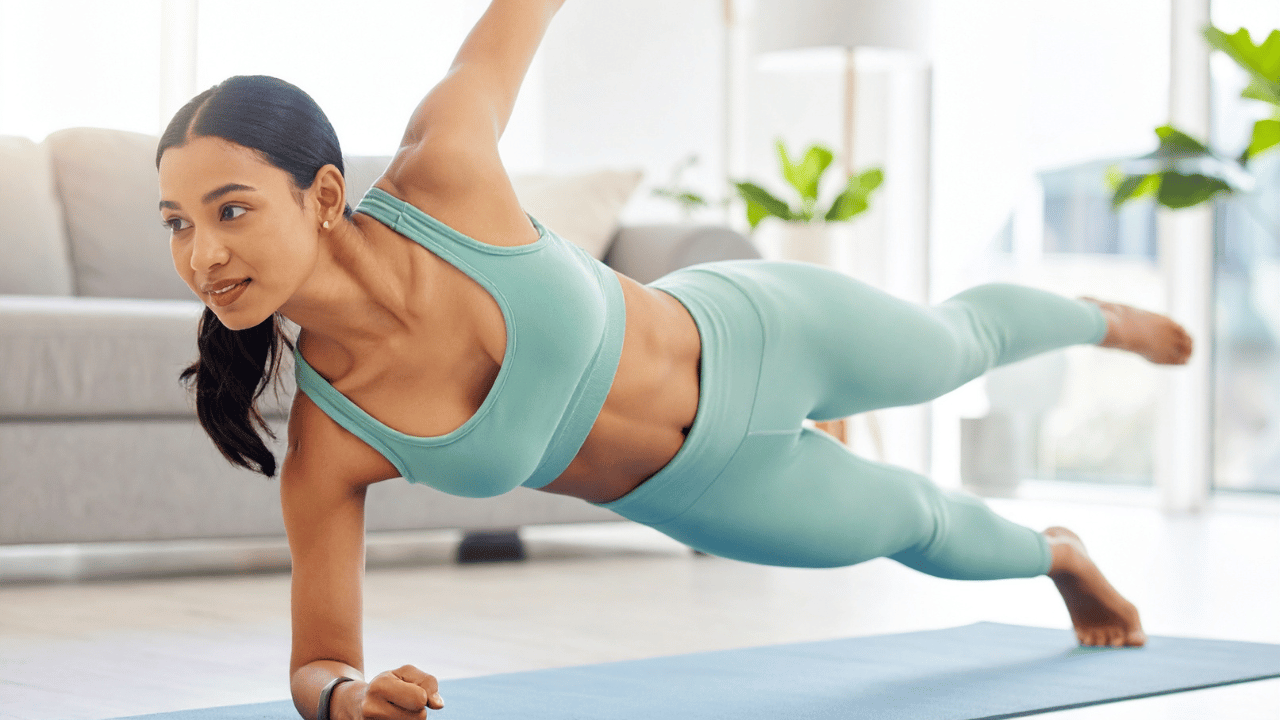
The Side Plank is a move that focuses on the obliques, the muscles on the sides of your abdomen. The main advantage of this exercise is that it develops lateral trunk strength, which is crucial for side-to-side movements and is often neglected in other core workouts.
The Dead Bug is an effective core move that targets the transverse abdominis, the deepest core muscle. The advantage of the dead bug is that it enhances the coordination of controlled limb movements while keeping the core stable, which is important for everyday functional movements.
Finally, the Bird Dog primarily targets the erector spinae, the muscles that run along your spine. The advantage of the bird dog is that it supports and strengthens the lower back, which can help prevent back pain and improve posture.
Developing these core stabilizers will improve your posture, alleviate back discomfort, and create a strong foundation for all your daily activities.
What Are Effective Back and Shoulder Workouts Without Equipment?
Supermans: Strengthen your spinal extensors by lifting your chest and legs off the floor.
Reverse Snow Angels: Slide your arms along the floor to target the muscles in your upper back.
Inverted Rows Under Table: Pull your chest towards the edge of a sturdy table to mimic a rowing motion.
Pike Push-ups: Emphasize shoulder strength by lifting your hips high and lowering your head towards the floor.
Incorporating these exercises can help counteract forward shoulder posture and build resilience in your upper body.
Can You Build Muscle and Lose Weight After 50 Using Bodyweight Workouts?
How Do Bodyweight Exercises Support Muscle Growth for Mature Women?
Bodyweight movements stimulate muscle growth (hypertrophy) by creating mechanical tension and metabolic stress within muscle fibers. Exercises performed with a slow tempo, like squats and push-ups, effectively recruit fast-twitch muscle fibers, which are essential for building strength, even after age 50. Ensuring you have adequate recovery time and consume enough protein will further enhance these muscle-building signals.
What Are the Best No Equipment Weight Loss Workouts for Women Over 50?
Circuit A: Perform 10 squats, 8 incline push-ups, and hold a 30-second plank. Repeat this circuit 3 times.
Circuit B: Complete 15 alternating lunges, 12 tricep dips, and 40 jumping jacks. Repeat this circuit 3 times.
Keeping rest periods short between exercises helps maintain an elevated heart rate, maximizing calorie burn while preserving valuable muscle mass.
How Often Should Women Over 50 Perform Bodyweight Workouts for Results?
Aim for 3–5 workout sessions per week, varying your focus between full-body strength and targeted circuits. It’s important to allow at least 48 hours of recovery between intense strength training sessions. Consistency combined with gradual progression is the key to achieving visible toning, an improved metabolism, and lasting vitality.
Can Bodyweight Cardio Workouts Boost Heart Health and Energy Levels?
Absolutely! Bodyweight cardio sequences, such as high-knee marches in place, mountain climbers, and simulated jump-ropes, can significantly strengthen your cardiovascular endurance without putting excessive stress on your joints. These movements help improve your VO₂ max, support healthy circulation, and provide invigorating energy boosts throughout the day.
How Do Nutrition and Lifestyle Support Body Transformation with Bodyweight Workouts?
What Are Key Meal Planning Tips for Hormone Balance and Fitness Over 50?
Include 20–30 grams of protein at each meal to help maintain your muscle mass.
Prioritize sources of omega-3 fatty acids, like salmon or flaxseed, to help manage inflammation.
Focus on fiber-rich vegetables to support a healthy gut and maintain steady energy levels.
Strategic meal timing and nutrient-dense food choices ensure your hormones are working in harmony to support both fat loss and muscle preservation.
How Does Hydration and Recovery Enhance Bodyweight Workout Results?
Adequate hydration is essential for lubricating your joints, regulating your body temperature, and efficiently transporting nutrients to your working muscles. After your workout, gentle stretching and aiming for 7–9 hours of quality sleep will aid in tissue repair, reduce muscle soreness, and prepare your body for your next session.
What Mindset and Motivation Strategies Help Sustain Fitness After 50?
Cultivating a positive outlook and setting clear, achievable goals can transform workouts from a chore into lasting habits. Effective strategies include setting SMART (Specific, Measurable, Achievable, Relevant, Time-bound) objectives, tracking your progress in a fitness journal, and celebrating your successes, no matter how small. Connecting with a supportive community or a coach can also boost accountability and keep your motivation strong.
What Makes Anna McGee’s Online Programs Unique for Body Transformation Without Equipment?
How Does the ‘Fit 4 Life’ Program Deliver Sustainable Bodyweight Workouts?
The Fit 4 Life Program seamlessly blends progressive bodyweight circuits, restorative mobility exercises, and expert nutrition guidance into a structured, adaptable plan. Each phase builds upon the previous one, fostering steady strength gains, improved posture, and hormonal balance specifically for women over 50.
What Success Stories Show Real Results from Anna McGee’s Coaching?
Clients frequently share inspiring transformations, such as a 30 percent increase in lower-body strength, significant reductions in back pain, and a 10-pound loss of body fat—all accomplished at home without any weights. These real-life testimonials highlight how personalized guidance and consistent support empower mature bodies to reach their full potential.
How Can Personalized Online Coaching Help Women Over 50 Achieve Their Fitness Goals?
Personalized coaching is designed to identify your unique physical considerations—like knee sensitivities or shoulder mobility limitations—and tailor your routines accordingly. By addressing your specific needs, customized plans can accelerate your progress, minimize injury risk, and build your confidence with every movement.
What Are Common FAQs About Bodyweight Workouts and Online Coaching?
Many women often ask if home-based workouts can truly build muscle, how to fit exercise into busy schedules, or if they might feel isolated without a gym environment. Anna’s approach thoughtfully integrates small-group virtual meetups, on-demand video content, and direct messaging support to address these common concerns and keep clients engaged and motivated.
How Can You Create a Consistent Bodyweight Workout Routine at Home?
Establishing a reliable fitness routine hinges on effective planning, accountability, and incorporating variety. A clearly defined schedule, realistic set and repetition targets, and safe modifications will ensure you stay engaged and continue to make progress.
What Is an Effective Weekly Schedule for Bodyweight Workouts Over 50?
A well-rounded weekly plan could look like this:
Monday: Full-body strength circuit
Tuesday: Active recovery and stretching
Wednesday: Focused arm, leg, and core session
Thursday: Low-impact cardio flow
Friday: Progressive strength routine
Saturday: Mobility and core focus
Sunday: Rest or gentle yoga
How Many Sets and Reps Are Ideal for Strength and Toning Without Weights?
Aim for 2–4 sets of 8–15 repetitions per exercise, adjusting based on the intensity:
In the Beginner training phase, it is recommended to perform 2 sets of each exercise. The repetition range for this phase is 8–10 reps, performed at a moderate pace. This allows beginners to focus on proper form and build a solid foundation of strength and technique.
For the Intermediate training phase, the number of sets increases to 3. The repetition range is also slightly higher, at 10–12 reps, with a focus on performing each repetition with control. This phase is designed to challenge the muscles further and improve muscle endurance and size.
In the Advanced training phase, the recommended number of sets is 4. The repetition range is the highest, at 12–15 reps, and should be performed with a slower tempo. This increased volume and time under tension are intended to maximize muscle hypertrophy and endurance for more experienced individuals.
Adjust the total volume and rest intervals (30–90 seconds) to best suit your current fitness level and recovery needs.
How Can You Modify Exercises to Match Your Fitness Level Safely?
Modifications are key to protecting your joints and building confidence. For example, transitioning from a full push-up to an incline or knee variation reduces stress while still effectively engaging your muscles. Slowing down the lowering phase of squats or holding static positions can deepen strength gains without requiring excessive load.
What Are the Key Benefits of Bodyweight Workouts for Healthy Aging in Women Over 50?
How Do Bodyweight Exercises Improve Balance and Prevent Falls?
Movements such as single-leg deadlifts and tandem stands challenge your proprioception (your body's awareness in space) and strengthen the crucial stabilizer muscles. As your balance improves, your risk of falls decreases, allowing you to maintain your independence with greater confidence.
What Role Do Bodyweight Workouts Play in Enhancing Joint Health and Flexibility?
Controlled bodyweight movements encourage joint lubrication and promote safe, effective range-of-motion work. Incorporating dynamic stretches and slow, flowing sequences helps maintain cartilage health and reduces the stiffness often associated with sedentary habits.
How Do These Workouts Boost Energy and Support Hormonal Health?
Consistent bodyweight training enhances mitochondrial efficiency (your cells' energy production), releases mood-boosting endorphins, and helps balance cortisol levels. When combined with balanced nutrition and adequate rest, these workouts create a hormone-friendly environment that sustains your energy and overall vitality.
Transform Your Body
Embrace these effective bodyweight strategies and build a fitness routine that truly honors your body’s wisdom. With consistent effort, supportive guidance, and smart lifestyle choices, you’ll unlock lasting strength, agility, and well-being as you move through your fifties and beyond. Ready to begin your transformation? Explore Anna McGee’s comprehensive program offerings or schedule a personalized consultation today.