Progressive Overload Techniques for Women Over 50’s Strength
As women age, maintaining strength becomes increasingly important for overall health and well-being. Progressive overload is a key principle in strength training that involves gradually increasing the amount of stress placed on the body during exercise. This approach is particularly beneficial for women over 50, as it helps combat age-related muscle loss, known as sarcopenia, and enhances physical function. In this article, we will explore the concept of progressive overload, its benefits, and practical techniques to implement it safely. We will also discuss how nutrition plays a crucial role in supporting strength gains and highlight specific fitness programs designed for women in this age group.
What Is Progressive Overload and Why Is It Essential for Women Over 50?
Progressive overload refers to the gradual increase of stress placed on the body during exercise, which is essential for muscle growth and strength development. This method works by challenging the muscles beyond their current capacity, prompting them to adapt and grow stronger. For women over 50, implementing progressive overload is crucial as it helps counteract the natural decline in muscle mass and strength that occurs with aging. By engaging in a structured strength training program that incorporates progressive overload, women can improve their physical capabilities, enhance their quality of life, and reduce the risk of injury.
Research further explores the nuances of progressive overload, examining different methods to achieve muscle gains.
Progressive Overload: Load vs. Repetition for Muscle Gains
Progressive overload is a principle of resistance training exercise program design that typically relies on increasing load to increase neuromuscular demand to facilitate further adaptations. However, little attention has been given to another way of increasing demand—increasing the number of repetitions. This study aimed to compare the effects of two resistance training programs: (1) increasing load while keeping repetition range constant vs (2) increasing repetitions while keeping load constant.
Progressive overload without progressing load?
The effects of load or repetition progression on muscular adaptations, D Plotkin, 2022
How Does Progressive Overload Increase Muscle Strength and Combat Sarcopenia?
Progressive overload increases muscle strength by stimulating muscle protein synthesis, which is the process through which the body repairs and builds muscle fibers. This mechanism is particularly important for combating sarcopenia, a condition characterized by the loss of muscle mass and strength as individuals age. By consistently challenging the muscles through increased resistance or intensity, women can preserve and even enhance their muscle tissue, leading to improved overall health and functionality. Additionally, engaging in regular strength training can boost metabolism, support bone density, and enhance joint stability, all of which are vital for maintaining an active lifestyle.
Indeed, scientific literature consistently highlights the significant impact of progressive resistance exercise training on muscle health and functional capacity in older adults.
Resistance Training for Sarcopenia & Strength in Older Adults
For more than two decades scientists have recognized the profound role that progressive resistance exercise training can have on increasing muscle strength, muscle size and functional capacity in older adults. In this review article we discuss how resistance exercise training can be used in the management and prevention of sarcopenia and dynapenia. We first provide an overview of the evidence for this notion and highlight certain critical factors— namely exercise intensity, volume and progression— that are key to optimizing the resistance exercise prescription.
Resistance exercise to prevent and manage sarcopenia and dynapenia, LA Clark, 2016
What Are the Benefits of Strength Training After 50 for Overall Well-Being?
Strength training offers numerous benefits for women over 50, including:
Maintaining Muscle Mass: Regular strength training helps preserve muscle mass, which naturally declines with age.
Supporting Bone Health: Weight-bearing exercises strengthen bones and reduce the risk of osteoporosis.
Improving Daily Functionality: Enhanced strength contributes to better balance, coordination, and overall physical performance in daily activities.
Further research specifically examines the physiological adaptations older women experience through various strength training methodologies.
Strength Training Adaptations in Older Women
The objective of the present study was to evaluate and compare the neuromuscular, morphological and functional adaptations of older women subjected to 3 different types of strength training. 58, healthy women (67±5 year) were randomized to experimental (EG, n=41) and control groups (CG, n=17) during the first 6 weeks when the EG group performed traditional resistance exercise for the lower extremity. Afterwards, EG was divided into three specific strength training groups; a traditional group (TG, n=14), a power group (PG, n=13) that performed the concentric phase of contraction at high speed and a rapid strength group (RG, n=14) that performed a lateral box jump exercise emphasizing the stretch-shortening-cycle (SSC). Subjects trained 2 days per week through the entire 12 weeks.
Different types of strength training in older women, DP LaRoche, 2012
For those looking to maximize their strength training results, personalized coaching programs can provide tailored guidance and support. Anna McGee Fitness offers specialized coaching designed to help women over 50 safely implement progressive overload techniques and achieve their fitness goals.
Which Safe Progressive Overload Techniques Are Best for Women 50 Plus?
When implementing progressive overload, it is essential to prioritize safety and proper technique. Here are some effective techniques for women over 50:
Gradual Weight Increase: Start with lighter weights and gradually increase the resistance as strength improves.
Focus on Form: Prioritize proper form and technique to prevent injuries and ensure effective workouts.
Listen to Your Body: Pay attention to how your body responds to increased intensity and adjust accordingly to avoid overtraining.
Incorporating these techniques can help women safely progress in their strength training journey while minimizing the risk of injury.
How to Gradually Increase Weights and Resistance Without Injury?
To safely increase weights and resistance, consider the following best practices:
Consult a Healthcare Professional: Before starting any new exercise program, especially if you have pre-existing health conditions, consult with a healthcare provider.
Importance of Warm-Up and Cool Down: Always include a proper warm-up and cool-down in your routine to prepare the muscles and aid recovery.
Tracking Progress: Keep a record of your workouts to monitor progress and make informed decisions about when to increase weights.
By following these guidelines, women can effectively and safely increase their strength over time.
What Are the Recommended Training Frequencies and Protocols for Strength Gains?
For optimal strength gains, it is recommended that women over 50 engage in strength training at least two to three times per week. Each session should focus on major muscle groups, allowing for adequate rest and recovery between workouts. Additionally, incorporating a variety of exercises that target different muscle groups can enhance overall strength and prevent plateaus. Adjusting training protocols based on individual progress and fitness levels is also essential for continued improvement.
How Can Nutrition Support Muscle Building and Strength Gains Over 50?
Nutrition plays a vital role in supporting muscle building and strength gains, particularly for women over 50. A balanced diet rich in protein, healthy fats, and essential vitamins and minerals is crucial for recovery and muscle synthesis. Key nutritional strategies include:
Importance of Protein Intake: Consuming adequate protein is essential for muscle repair and growth. Aim for a protein-rich meal or snack after workouts.
Role of Calcium and Vitamin D: These nutrients are vital for bone health and should be included in the diet to support overall strength.
Balanced Diet for Recovery: A well-rounded diet that includes a variety of fruits, vegetables, whole grains, and lean proteins can enhance recovery and performance.
What Are the Best Foods and Nutrients for Muscle Hypertrophy After Menopause?
To support muscle hypertrophy after menopause, consider incorporating the following foods into your diet:
Lean Proteins: Chicken, fish, beans, and legumes provide essential amino acids for muscle repair.
Healthy Fats: Avocados, nuts, and olive oil support overall health and hormone balance.
Antioxidant-Rich Foods: Berries, leafy greens, and colorful vegetables help reduce inflammation and support recovery.
These nutrient-dense foods can significantly contribute to muscle health and overall well-being.
How to Integrate Nutrition Plans with Progressive Overload Training Programs?
Integrating nutrition plans with progressive overload training programs involves careful meal planning and timing of nutrient intake. Key strategies include:
Meal Planning for Muscle Synthesis: Prepare meals that are rich in protein and other essential nutrients to support muscle growth.
Timing of Nutrient Intake: Consuming protein and carbohydrates before and after workouts can enhance performance and recovery.
Hydration Strategies: Staying hydrated is crucial for optimal performance and recovery, so ensure adequate fluid intake throughout the day.
By aligning nutrition with training, women can maximize their strength gains and overall health.
Which Fitness Programs Are Designed to Maximize Strength for Women Over 50?
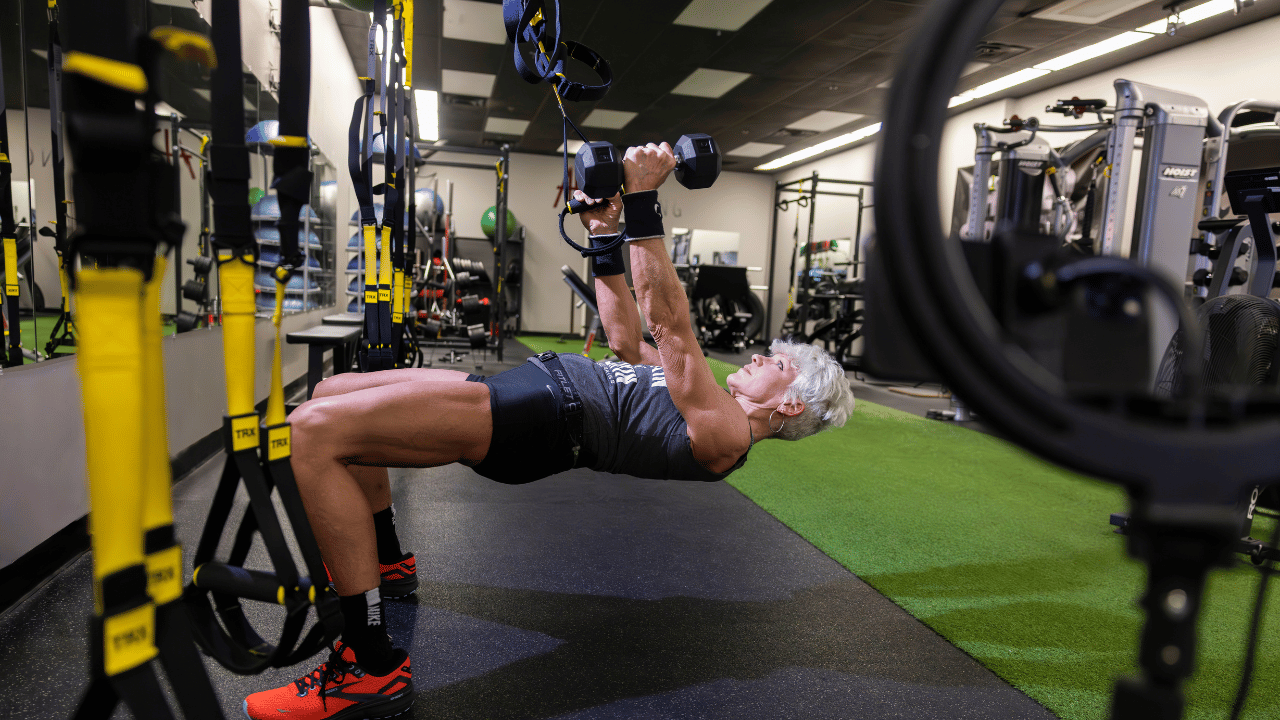
Several fitness programs are specifically designed to help women over 50 maximize their strength gains. Notable options include:
Fit 4 Life: A comprehensive program focused on functional strength training, available for around $47 per month with no contract.
Built 2 Last: A personalized coaching program with custom pricing available during consultation, tailored to individual needs.
Fit 4 U: A 12-week online training program that emphasizes progressive overload and strength development.
These programs provide structured guidance and support to help women achieve their fitness goals effectively.
What Are the Features of Fit 4 Life, Built 2 Last, and Fit 4 U Programs?
Each of these fitness programs offers unique features tailored to the needs of women over 50:
Fit 4 Life: Includes online group fitness workouts that focus on functional movements and strength training.
Built 2 Last: Offers 1-on-1 online coaching, ensuring personalized attention and tailored workout plans.
Fit 4 U: Requires minimal equipment and provides a flexible online training environment, making it accessible for all fitness levels.
These features make these programs ideal for women looking to enhance their strength and overall fitness.
How Do Personalized Coaching and Wellness Events Enhance Strength Training Results?
Personalized coaching and wellness events can significantly enhance strength training results by providing tailored support and motivation. Key benefits include:
Tailored Programs for Individual Needs: Personalized coaching ensures that workouts are designed to meet specific goals and fitness levels.
Community Support and Motivation: Engaging in group events fosters a sense of community and accountability, encouraging participants to stay committed to their fitness journey.
Success Stories of Clients: Many women have experienced transformative results through personalized coaching, highlighting the effectiveness of tailored approaches to strength training.
To learn more about Anna McGee and her approach to fitness, visit her website. By leveraging these resources, women can achieve their strength training goals more effectively and enjoyably.
Take Charge of Your Strength Journey Today
Embracing progressive overload and a well-rounded approach to strength training can transform your health and vitality after 50. With the right techniques, nutrition, and support, you can build lasting strength, improve your quality of life, and enjoy greater independence. Don’t wait to start your journey—take the first step towards a stronger, healthier you today. Get Started with Anna McGee Fitness.