Why Reading Food Labels Matters to Your Health
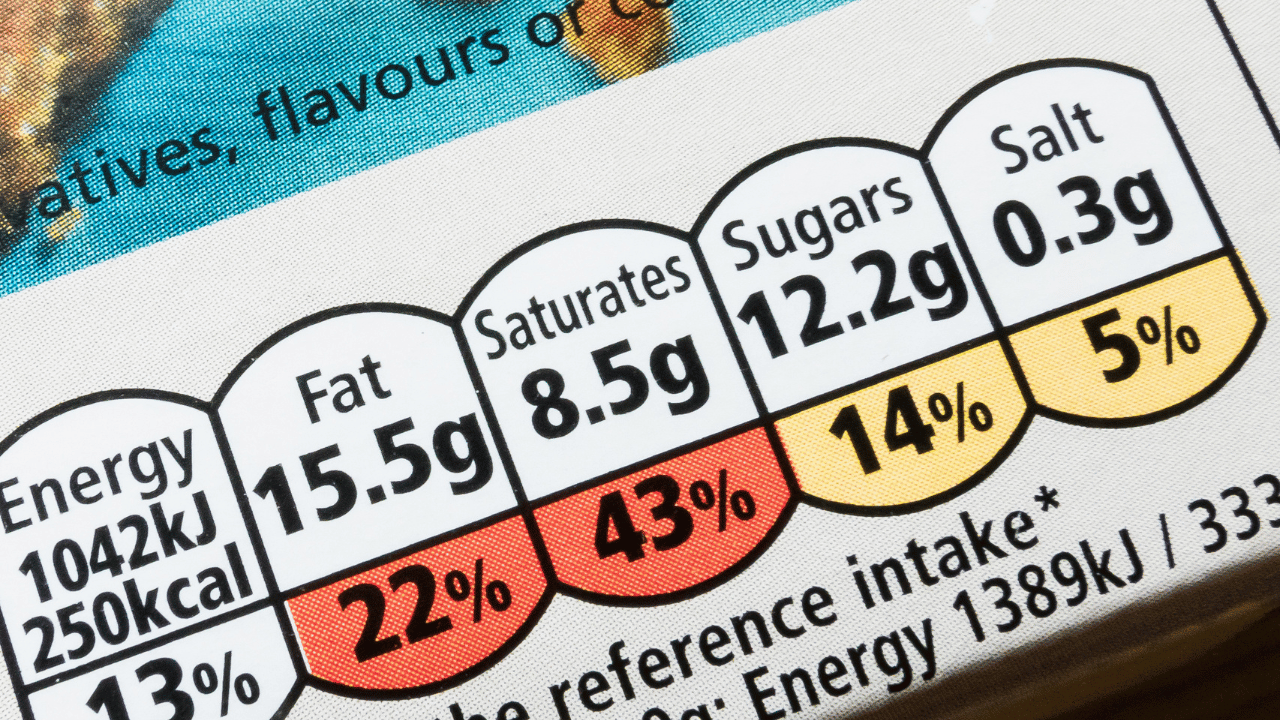
Companies want to sell you their products. They know we care about health, so they put words on the front like “natural,” “lean,” “low fat,” or “protein.” That front label is marketing, not truth.
I once broke down a “lean” ground turkey and a “protein” bar in a live video. The numbers and ingredients told a very different story than the big words on the front.
TL;DR
Front of the package is marketing, not the full truth
Hidden ingredients often hide behind nice-sounding words
These can affect your gut, skin, joints, and energy
Your taste buds can change when you eat fewer processed foods
Simple swaps add up without needing a perfect diet
Meet The Label Gremlins
There are certain words on food labels that are little red flags. They are what I like to call “label gremlins.” They sneak into products and your body.
Some common ones:
Natural flavors
Maltodextrin
Modified starch
Citric acid (in large amounts in processed foods)
These man-made ingredients can bother your gut and your system. You might not land in the hospital, but your body may react in quieter ways.
You might notice:
Bloating for “no reason”
Brain fog
Headaches
Skin breakouts or little bumps
Joint aches
My husband started cutting down on added sugars and some starchy, processed carbs. Over time, some little skin bumps faded, and his joints felt less inflamed. Those small changes came from fewer hidden ingredients, not from a fancy cleanse.
How Processed Foods Trick Your Taste Buds
Many of today’s products are designed to make you want more. They hit your taste buds in a very intense way. That is why it is easy to eat a whole bag of chips, but hard to eat three apples in a row.
When your tongue is used to very salty, very sweet, or heavily flavored foods, real food can taste boring at first. But that does not last forever.
If you slowly cut back on some of those processed foods:
Fruit starts to taste sweeter
Simple foods like chicken and veggies taste better
You do not crave the same level of intense flavor
Even something like a protein bar will taste different if you are used to candy bars like Snickers or Milky Way. It might seem “less fun” at first, but your taste buds can and do adjust.
Watch The Everyday Items
Hidden ingredients are not just in candy and chips. They are often in common items in your fridge.
Take ranch dressing, for example. It is a staple in many homes. Kids, adults, guests everyone loves ranch. You can dip fries, veggies, or pizza in it.
But take a look at that label. You will likely see:
Long ingredient lists
Big words you cannot pronounce
Artificial preservatives
Dairy that can cause inflammation for some people
Ranch is tasty, but it is also a gut wrecker if you are using it all the time. One simple step is to look for a cleaner version or even make your own at home with basic ingredients like yogurt and herbs.
Notice How Foods Make You Feel
Sometimes your body gives you clues right after you eat. For a long time, my husband and I went to a restaurant that had amazing fries. I never ordered fries, but I would eat my son’s. After we left, I noticed I always had thick phlegm in my throat. I was not sick and did not have a cold. It only happened after those meals.
That was my body talking. Something on those fries did not agree with me. It did not send me to the doctor, but it was still a sign.
Pay attention to patterns:
Do certain foods always leave you bloated?
Do you get a headache after some drinks or snacks?
Does your skin flush or itch after a meal?
You do not need to panic about every little thing. Just start noticing. That awareness helps you decide which foods are worth it and which ones you may want to limit.
You Do Not Have To Be Perfect
Let us be honest. Man-made ingredients are everywhere. Nobody gets through life eating “perfectly.” We all have to eat, and we all live in the real world.
The goal is not to fear food. The goal is to become a little more aware.
You might:
Swap one processed snack for a more simple choice
Use ranch dressing less often or try a cleaner version
Check food labels before buying something that says “protein”
Choose products with shorter ingredient lists
Even small changes like these can support your gut, skin, and energy over time.
Take One Simple Label Step Today
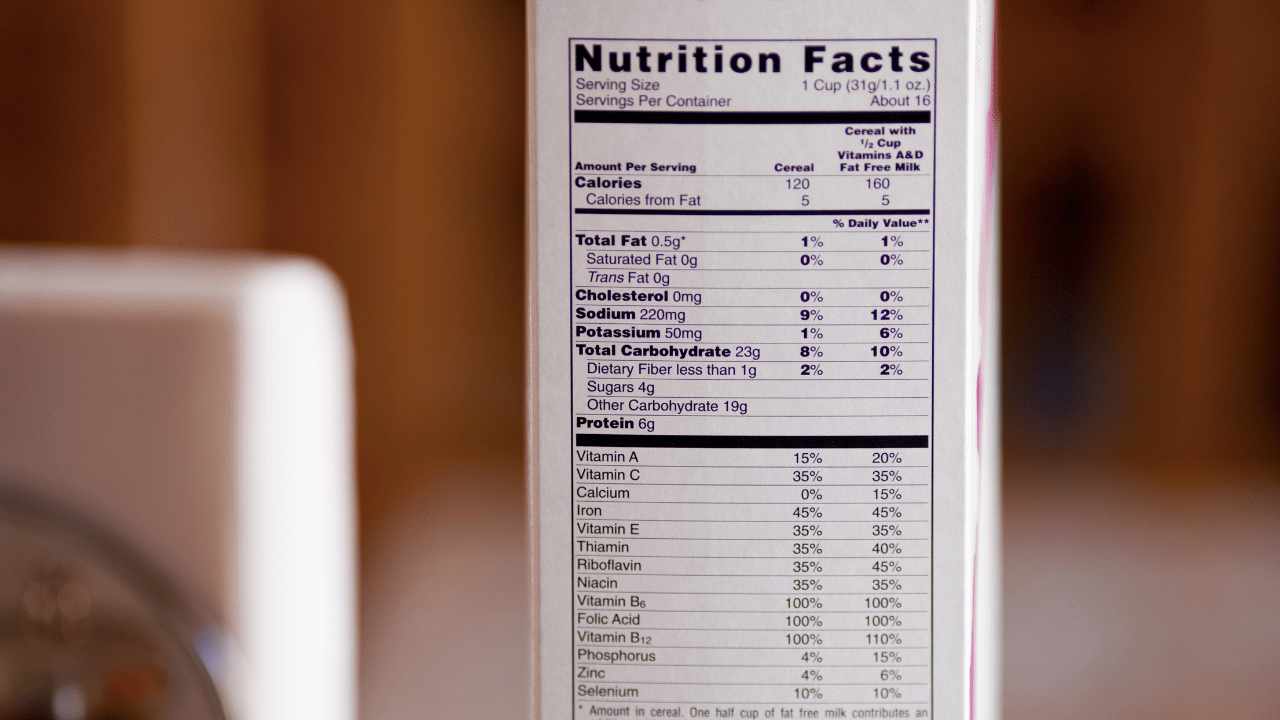
You do not have to turn into a food scientist. Start by picking one product in your kitchen and reading the food labels more closely. Look for hidden ingredients like natural flavors or maltodextrin, and ask yourself if there is a simpler option you could buy next time.
If this kind of learning helps you, join me in my Sunday lives or inside my Facebook group, where we talk through real-life food choices together. You deserve to understand what is going into your body and to feel your best, one label at a time.