Cardio Fitness Tips Every Woman Needs at Home
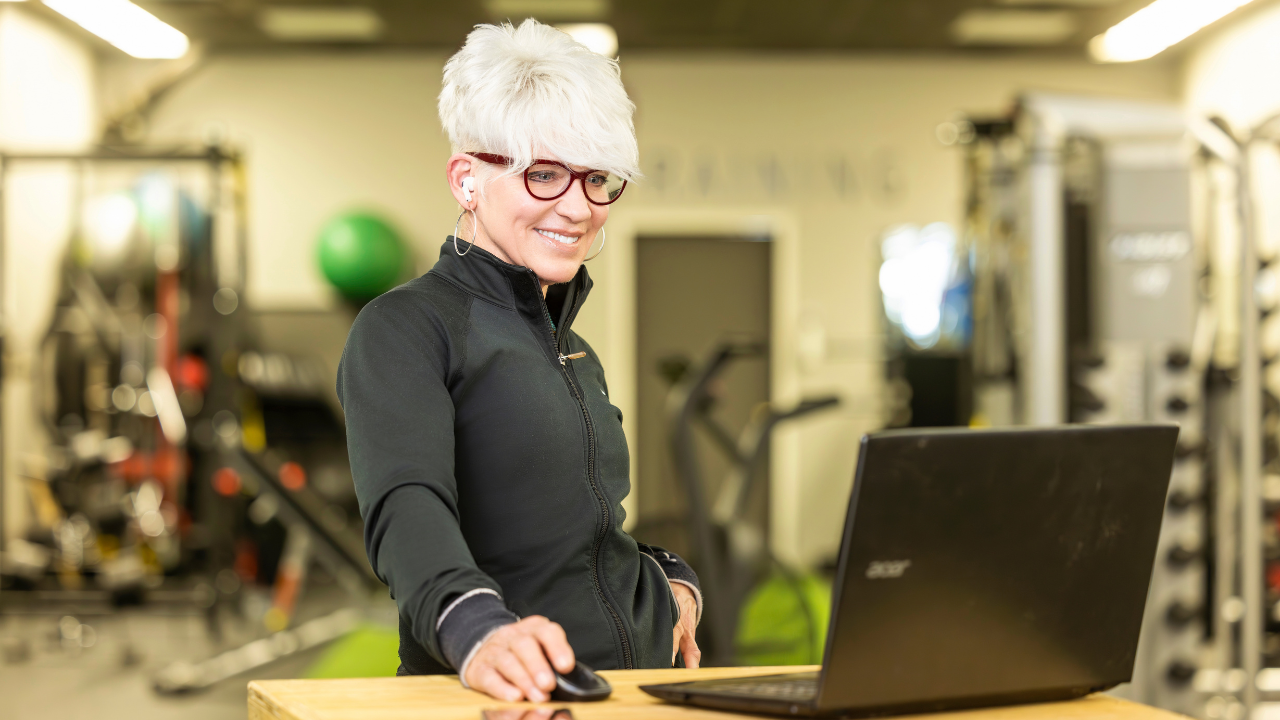
Keeping your heart strong with regular aerobic exercise can slash your cardiovascular risk by up to 30 percent, plus it’s a fantastic way to boost energy, fortify your bones, and lift your spirits. In this guide, you’ll discover why cardio is a game-changer after menopause, the gentlest low-impact routines you can do right at home, how to get started, smart strategies for managing your weight and metabolism, crucial safety tips, a curated list of top exercises, and essential advice on nutrition and recovery. As your online fitness coach, with programs like Fit 4 Life and Fit 4 U, I’ll share practical insights you can use today to build lasting heart and whole-body health.
TL;DR
Regular aerobic exercise reduces cardiovascular risk by up to 30% and boosts overall well-being.
Cardio is especially beneficial after menopause for heart health, bone strength, and mood.
Low-impact workouts like walking, chair exercises, and stationary biking protect joints while improving fitness.
Begin with manageable sessions, gradually increasing duration and intensity for best results.
Combining cardio with strength training enhances metabolism, weight management, and bone density.
Proper hydration, nutrition, and rest are essential to maximize workout benefits and recovery.
Safety tips include listening to your body, modifying exercises as needed, and maintaining good form.
Your Heart Health Blueprint: Activity Guidelines
Staying active is key to preventing heart issues, potentially lowering your risk of cardiovascular death by 27%. The recommendation for adults is to aim for 150-300 minutes of moderate-intensity aerobic activity each week, or 75-150 minutes of vigorous activity, spread out across your week.This expert guidance directly backs up our points on how cardio can reduce heart risks and the recommended activity levels for adults, including women over 50.
Why Cardio is Your Best Friend After 50
Cardio, or aerobic exercise, is any movement that gets your heart pumping, improves blood flow, and boosts your lung capacity. As we age, our hormones shift and bone density can decrease, making consistent aerobic activity essential for keeping your heart strong and lowering your risk of chronic diseases. For instance, a brisk 30-minute walk three times a week can help slow bone loss and brighten your mood, setting a great foundation for a varied fitness routine.
How Cardio Supercharges Your Heart Health Post-50
By making your heart pump more blood with each beat and lowering your resting heart rate, regular cardio builds a stronger cardiac muscle and keeps your arteries more flexible. Healthier blood vessels mean lower blood pressure and better oxygen delivery to your body. This is a direct pathway to reducing your risk of heart problems and ensuring your heart stays resilient long after menopause.
Cardio's Role in Navigating Menopause
Aerobic exercise helps regulate your brain's feel-good chemicals and balances stress hormones, which can significantly ease hot flashes, night sweats, and mood swings. By encouraging the release of endorphins, cardio supports hormonal balance and improves sleep quality, helping to combat fatigue. Plus, improved body temperature regulation from consistent workouts helps keep your energy levels steady throughout the day.
Keeping Bones Strong and Joints Happy with Cardio
Weight-bearing cardio activities like climbing stairs or marching in place gently challenge your bones, encouraging new bone growth and helping to slow the progression of osteoporosis. Low-impact movements also boost the circulation of synovial fluid, reducing stiffness and discomfort in your knees and hips. This approach protects your joints while building strength in the surrounding muscles.
The Trifecta of Benefits: Bones, Menopause, and Metabolism
Better cardiorespiratory fitness is linked to a lower risk of low bone density in women after menopause. Aerobic exercise can also dial down common menopause symptoms like night sweats, mood swings, and irritability. What's more, regular cardio gives your metabolism a boost after 50 by helping you hold onto muscle mass and burn more calories.This research confirms our insights on how cardio supports bone health, eases menopause symptoms, and aids in weight management by revving up your metabolism after 50.
Boosting Energy and Mood in Your 50s and Beyond
Aerobic movement enhances how efficiently your cells produce energy and releases endorphins, leading to a brighter outlook and more cellular energy. This metabolic boost combats age-related fatigue and keeps you motivated for everyday tasks. The improved mood that comes with regular cardio also builds resilience to stress and sharpens your focus.
Your Go-To Low-Impact Cardio Workouts at Home
Gentle aerobic routines are your secret weapon for elevating your heart rate and burning calories without putting extra stress on your joints.
These options are kind to your joints and perfect for even the smallest spaces.
Walking or marching in place mimics outdoor strides without the uneven surfaces.
Chair-based cardio punches and leg lifts offer a great aerobic challenge for those with limited mobility.
Using a stationary bike or elliptical provides smooth, continuous motion for fantastic cardiovascular results.
Dance-inspired bodyweight circuits blend fun, balance, and bursts of cardio in a compact area.
Walking Workouts Perfect for Women Over 50
Try structured intervals: 2 minutes of brisk walking followed by 1 minute of easy marching to boost your heart health while being gentle on your joints. Adding in high-knee lifts or side shuffles now and then will also engage your hip and core muscles without impact. This dynamic approach builds endurance and coordination right at home.
How Chair Cardio Exercises Help Those with Limited Mobility
Seated cardio moves, like alternating arm reaches with leg extensions, effectively raise your heart rate and strengthen your upper and lower body. By focusing on good posture and controlled movements, chair workouts protect sensitive joints while still giving your heart and lungs a great workout, making them ideal if you're recovering from joint pain or surgery.
Effective Stationary Bike and Elliptical Routines for Seniors
A 20–30 minute session at a moderate intensity (60–70% of your max heart rate) on a recumbent or upright stationary bike is a fantastic way to adapt your cardiovascular system without impact. Try adding short bursts of higher resistance (30–60 seconds) to further boost calorie burn and heart strength. Elliptical cross-training offers similar benefits with a full-body workout.
Bringing Dance and Bodyweight Cardio Home
Follow along with low-impact dance routines set to upbeat music to get your heart rate up and improve coordination. Moves like step-touches, grapevines, and gentle knee lifts create continuous motion that’s great for your cardiovascular health. Pair these with bodyweight squats or marching to engage your muscles for a well-rounded aerobic session.
Getting Started with Beginner-Friendly At-Home Cardio After 50
What You Need for Your At-Home Cardio Setup
Creating a safe and effective workout environment starts with the right foundation: supportive shoes, ideally lightweight trainers with excellent arch support, are essential to cushion impact and protect your joints during movement. You will also need a clear, flat space of approximately 6x6 feet to act as your dedicated safe zone, preferably positioned near a wall to provide extra balance support if needed. Hydration is key to performance, so always keep a water bottle within reach and aim to refill it every 15 minutes of activity. Finally, ensure you have a sturdy chair on hand—specifically an armless, stable model without wheels—to facilitate seated exercise modifications safely.
How Much Cardio Should You Aim For Weekly?
The American Heart Association suggests at least 150 minutes of moderate aerobic activity each week, which breaks down nicely into 30-minute sessions, five days a week. If you're just starting, begin with 10-minute bursts and gradually increase the time as your endurance builds.
Mastering Warm-Ups and Cool-Downs
A five-minute warm-up, including shoulder rolls, gentle marches, and dynamic leg swings, gets your heart and muscles ready for action. A cool-down with light stretches for your calves, hamstrings, and chest helps your heart rate return to normal, aids recovery, and prevents post-exercise stiffness.
Knowing When to Modify or Take a Break
Persistent joint pain, unusual swelling, or feeling extremely fatigued are signals to ease up or take an extra rest day. Plan for one to two rest or active-recovery days each week to let your muscles and tissues bounce back, preventing overuse injuries and ensuring steady progress.
Cardio's Impact on Weight Management and Metabolism After 50
Cardio is a powerhouse for burning calories, preserving lean muscle, and revving up your metabolism—all crucial when hormonal shifts can slow down calorie burn and change where your body stores fat.
Fat-Burning Cardio Routines for Menopause Weight Gain
Longer sessions at a moderate pace (45–60 minutes), like continuous brisk walking or elliptical workouts at 50–60% of your max heart rate, are excellent for tapping into stored fat for fuel. Adding short, intense intervals (think modified HIIT) can also supercharge your calorie burn even after your workout is done (EPOC).
Boosting Your Metabolism After 50 with Cardio
Consistent aerobic workouts increase the number of mitochondria and enzyme activity in your muscle cells, which helps raise your resting metabolic rate. This means you'll burn more calories throughout the day, supporting a stable body composition even as your metabolism naturally slows with age.
The Power Duo: Cardio and Strength for Weight Loss
Combining strength training with aerobic exercise is a winning strategy. It helps preserve and build muscle, which is more metabolically active than fat. This dynamic duo maximizes fat loss while also improving bone density, joint stability, and overall functional strength for a truly holistic approach to healthy weight management.
Safety First: Essential Cardio Tips for Women Over 50 at Home
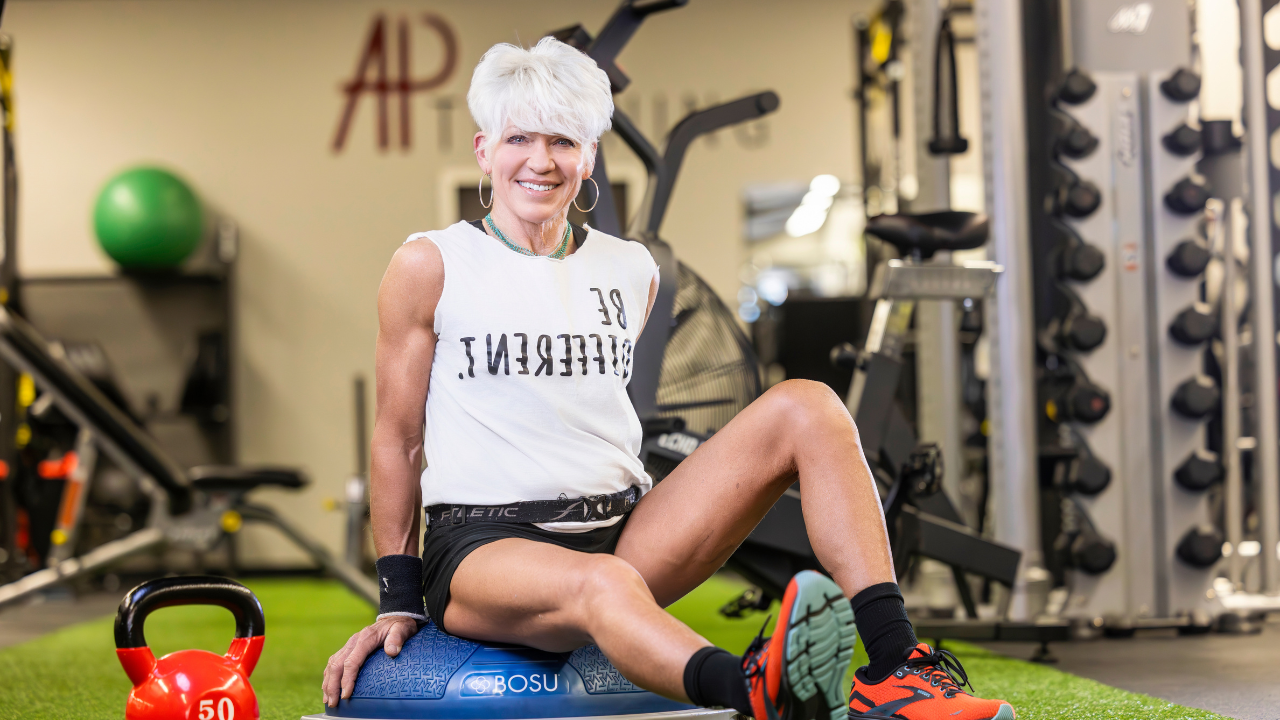
Focusing on proper form, gradually increasing intensity, and listening to your body are key to preventing common injuries and building a sustainable fitness routine.
Staying Injury-Free During Home Cardio
Keep your spine neutral and engage your core to protect your lower back. Always land softly with bent knees and control every movement. Only increase intensity when you can comfortably complete your current workouts with perfect technique.
Joint-Friendly Cardio Modifications
Swap jumping jacks for step-touch side steps, try sit-to-stand movements using a chair instead of regular squats, and opt for low-impact options like swimming or stationary bikes if your joints feel stressed. These alternatives keep your heart rate up without aggravating sensitive joints.
When to Modify or Call It Quits
Sudden sharp pain, feeling dizzy, or an irregular heartbeat are clear signs to stop or switch to a lower intensity. Pay close attention to your body’s signals and check in with your doctor if any symptoms linger for more than 24 hours.
Top 5 At-Home Cardio Exercises for Women Over 50
These five exercises are simple, safe, and incredibly effective for getting your heart rate up, supporting your joints, and building stamina.
To improve your cardiovascular health and mobility, start by marching in place to boost circulation and coordination by lifting your knees to hip height while actively pumping your arms. You can also incorporate step touch and side steps for gentle lateral movement, stepping side-to-side with a wide stance to effectively engage your hips. If you need a low-impact upper-body option, seated cardio punches engage the heart aerobically when you sit tall and punch forward with alternating arms. For a weight-bearing activity that strengthens bones, try stair climbing on a single step for 20 repetitions while alternating which foot leads. Finally, dance-style routines provide a fun boost for both your brain and heart by following simple choreographed steps to music, combining cognitive engagement with physical exertion.
Fueling and Recovery: The Keys to Enhanced Cardio Fitness After 50
The right nutrition and adequate rest can significantly amplify your aerobic results and support tissue repair in your post-menopausal body.
Hydration Habits for Your Workouts
Sip 8–10 ounces of water every 15–20 minutes during activity to maintain blood volume and prevent overheating. Adding a tiny pinch of sea salt or an electrolyte tablet can help replace minerals lost through sweat and support muscle function.
Protein Power for Recovery and Muscle Health
Aim for 20–25 grams of high-quality protein within two hours after your workout to provide the amino acids your muscles need to repair and grow. This nutritional strategy helps preserve lean muscle mass, which is vital for a healthy metabolism and functional strength.
Why Sleep is Non-Negotiable for Cardio Fitness
Deep sleep triggers the release of growth hormone, essential for muscle recovery and fat metabolism. Adults over 50 need 7–8 hours of uninterrupted rest to optimize heart-health adaptations and maintain consistent energy levels throughout the day.
Stress Management for Better Cardio Results
Practices like deep breathing, meditation, and gentle yoga can lower cortisol levels, preventing muscle breakdown and energy depletion. Reduced stress leads to more consistent workout performance and helps maintain the hormonal balance crucial for cardiovascular endurance.
Your Top Questions Answered: At-Home Cardio for Women Over 50
Many women wonder about the best joint-friendly activities, how often to exercise, and how to tailor routines to their specific needs. The most effective cardio choices blend low impact with enough intensity to get your heart rate up—think brisk walking, cycling, or dancing. Aim for 150 minutes per week and tune into your body to know when to rest or modify. Maintaining proper form and wearing supportive footwear are key to preventing injuries. Incorporating interval bursts or light strength moves can maximize your results and keep your home workouts engaging.
Staying consistent with your aerobic exercise, mixing intervals with moderate efforts, and mindfully fueling and resting are powerful ways to support your heart health and vitality for years to come.
Anna McGee’s personalized online programs offer structured at-home cardio plans designed specifically for women over 50, combining expert guidance with nutrition and recovery tips to ensure you make safe, effective progress.
Start Working Out Now
Consistent, joint-friendly cardio routines do more than just strengthen your heart; they boost your mood, help maintain bone density, and support healthy weight management. By starting with beginner-friendly workouts, gradually increasing intensity, and prioritizing safety and recovery, you’ll build lasting endurance. Combine top exercises like marching in place, seated punches, and stair climbing with proper hydration and protein intake to get the most out of every session. Contact me if you need further help and embrace this holistic approach today and let guided support keep you motivated, empowered, and fit right at home.