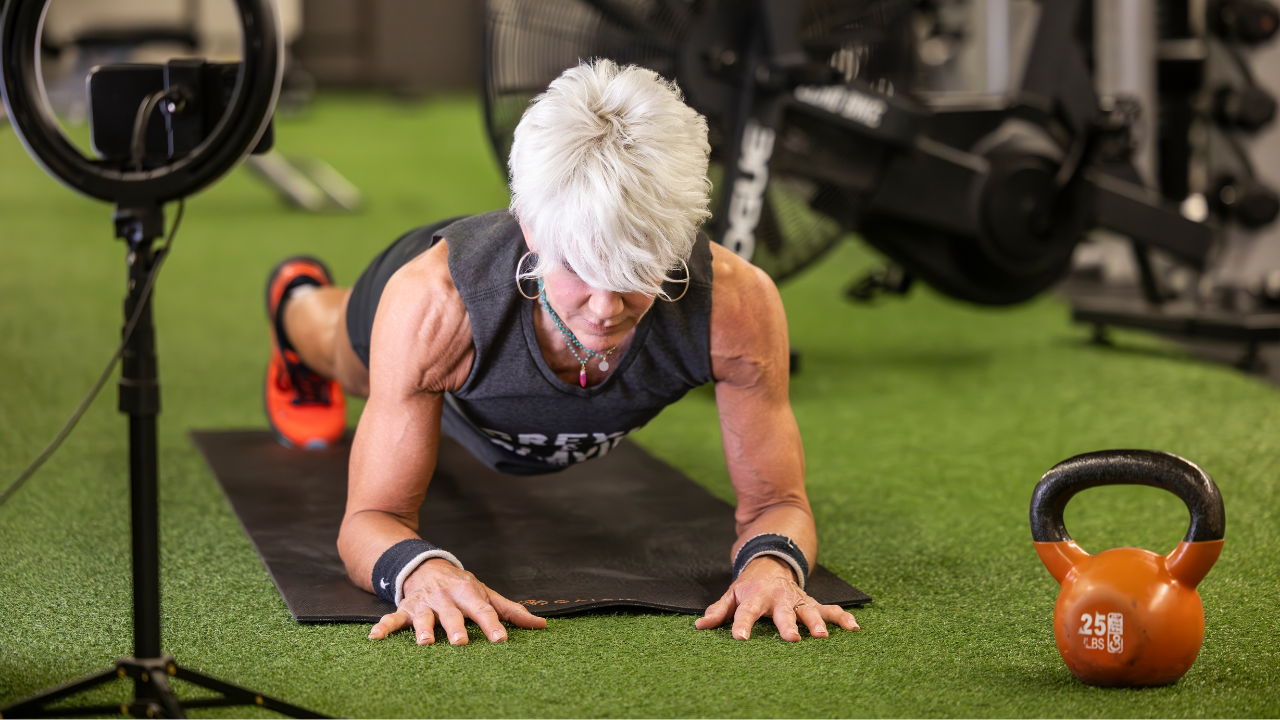
Feeling the weight of stress, a cloudy mind, or restless nights? Discover how at-home workouts can be your secret weapon for a brighter mental state. By sparking those feel-good endorphins, dialing down stress hormones, and sharpening your focus, you can cultivate a stronger, clearer mind right from your own space. This guide will walk you through the incredible psychological perks of exercising at home, pinpoint the best movement styles for your mood and mind, demystify the brain science behind it all, and equip you with practical tips for sticking with it. Plus, we’ll explore how Anna McGee’s online fitness coaching can elevate your emotional resilience, share inspiring success stories, and offer holistic advice on nutrition and sleep to supercharge your mental strength.
TL;DR
At-home workouts boost mood by releasing endorphins and reducing stress hormones.
Exercise improves cognitive function, mental clarity, and sleep quality.
Strength training, yoga, Pilates, cardio, and Tai Chi each offer unique mental health benefits.
Regular movement helps balance hormones and brain chemistry in women over 50.
Practical strategies and online coaching support consistency and accountability.
Anna McGee’s programs combine science-backed exercise with personalized support for emotional resilience.
Nutrition and sleep are essential partners to maximize mental health benefits.
What Are the Key Mental Health Benefits of At-Home Workouts for Women Over 50?
When you move your body at home, you’re not just getting stronger; you’re instantly boosting your mood by releasing endorphins, calming stress hormones like cortisol, and building sharper neural connections. For women over 50, consistent movement is a powerful ally against anxiety, a gentle lift for depressive feelings, and a builder of unshakable confidence, especially when navigating the unique challenges of hormonal shifts and potential isolation.
Effect of Leisure-Time Physical Activity on Depression and Depressive Symptoms in Menopausal Women
This in-depth review of 17 studies revealed that physical activity significantly eases depressive symptoms and reduces depression in women going through menopause. The research highlighted that even lower-intensity exercises, group activities, and programs lasting over 12 weeks or supervised sessions were particularly effective.This finding beautifully supports the idea that at-home workouts, encompassing a variety of physical activities, can be incredibly effective in combating anxiety and lifting spirits for women over 50 during their menopausal journey.
Curious about Anna McGee’s personal story and what drives her passion? Dive into her journey on the About Anna McGee - Online Fitness Coach page.
How Do At-Home Exercises Reduce Stress and Anxiety?
The magic happens when exercise triggers endorphin release and helps regulate cortisol, effectively calming your nervous system and easing physical tension. Even a focused 20-minute session of resistance band work or a brisk walk around your living room can signal your brain to dial down stress responses and boost feel-good serotonin. Adding mindful breathing between movements creates a powerful relaxation feedback loop that extends far beyond your workout.
In What Ways Do Workouts Improve Cognitive Function and Mental Clarity?
When you exercise, you’re sending a rush of blood to your brain, especially the prefrontal cortex, which is crucial for clear thinking. This increased blood flow fuels neurogenesis and synaptic plasticity—the very building blocks of a sharp mind. Strength training and interval cardio also activate brain-derived neurotrophic factor (BDNF), a key player in memory and executive functions. Over time, these adaptations lead to sharper focus, less “brain fog,” and a greater ease in decision-making and learning new things.
How Does Regular Exercise Enhance Sleep Quality and Emotional Well-Being?
Physical activity helps regulate your body’s natural sleep-wake cycle, leading to deeper, more restorative slow-wave sleep. When you sleep better, your mood-stabilizing neurotransmitters like GABA and dopamine are better regulated, which means less irritability and more emotional balance. For women over 50, who often experience sleep disruptions due to hormonal changes, a consistent at-home routine offers a natural, drug-free path to more restful nights.
What Role Does Self-Esteem and Confidence Play in Mental Health for Older Women?
Every time you master a new movement, like a challenging bodyweight squat progression, you build a powerful sense of accomplishment that spills over into all areas of your life. This growing self-efficacy naturally boosts your self-esteem and cultivates a more positive self-image, helping to quiet the self-doubt that can creep in during midlife transitions. The confidence you gain from your physical progress translates directly into everyday life, reinforcing your mental resilience.
How Does Strength Training Alleviate Depression and Anxiety at Home?
Strength training is a powerhouse for your brain, stimulating neurogenesis in the hippocampus and directly lifting your mood through increased BDNF and endorphin release. As you progress with resistance routines using dumbbells or bands, you’ll build a profound sense of mastery, which is incredibly effective in combating feelings of helplessness often linked to depression. These biochemical and psychological shifts create a potent anti-depressant effect, naturally.
Mental Health Benefits of Weight Training for Older Individuals
A comprehensive review of over 200 studies confirmed that weight training offers significant mental health advantages for older adults, particularly those managing anxiety or depression. The research indicated that using weights and equipment provided better control over exercise intensity and volume, making it more effective than elastic bands or bodyweight exercises alone.This study powerfully validates our point that strength training can be a game-changer for alleviating depression and anxiety by fostering a deep sense of accomplishment and delivering a significant mood boost.
What Are the Mental Health Benefits of Yoga and Pilates for Older Women?
The mindful movements in yoga and Pilates combine gentle stretching with focused breathwork to effectively downregulate your body’s stress responses. This mind-body connection enhances interoceptive awareness—your ability to tune into and manage physical and emotional signals—while also improving flexibility and joint health. The meditative quality of these practices cultivates sustained focus and a greater sense of emotional balance.
How Can Cardio Workouts Boost Mood and Reduce Mental Fatigue?
Engaging in aerobic exercises, like brisk indoor marching or energetic dance routines, gets your heart pumping and floods your brain with oxygen and vital nutrients. This surge naturally boosts serotonin and dopamine production, which are key to combating mental fatigue and sharpening concentration. Consistent cardio also helps you manage your energy levels more effectively, reducing those dreaded mid-day slumps and keeping your outlook bright.
What Gentle Exercises Like Tai Chi Support Mental Clarity and Relaxation?
Tai Chi’s slow, deliberate movements are like a moving meditation, harmonizing breath with motion to gently calm the amygdala, your brain’s fear center. This rhythmic practice is incredibly effective at reducing cortisol levels and enhancing GABA activity, promoting deep relaxation and crystal-clear thinking. For women over 50, Tai Chi also offers the added benefit of improving balance and reducing the risk of falls, contributing to a profound sense of peace of mind.
Tai Chi May Help Boost Cognitive Health for Seniors
A significant clinical trial published in the Annals of Internal Medicine discovered that tai chi classes led to improvements in memory and thinking skills for older adults, including their ability to multitask. An enhanced version of tai chi, which included extra mental challenges, showed even more remarkable gains in overall cognitive function.This research is fantastic validation for our point that gentle exercises like Tai Chi are powerful tools for supporting mental clarity and relaxation, acting as a moving meditation while actively boosting cognitive abilities in older adults.
How Does Exercise Influence Brain Chemistry and Hormones in Women Over 50?
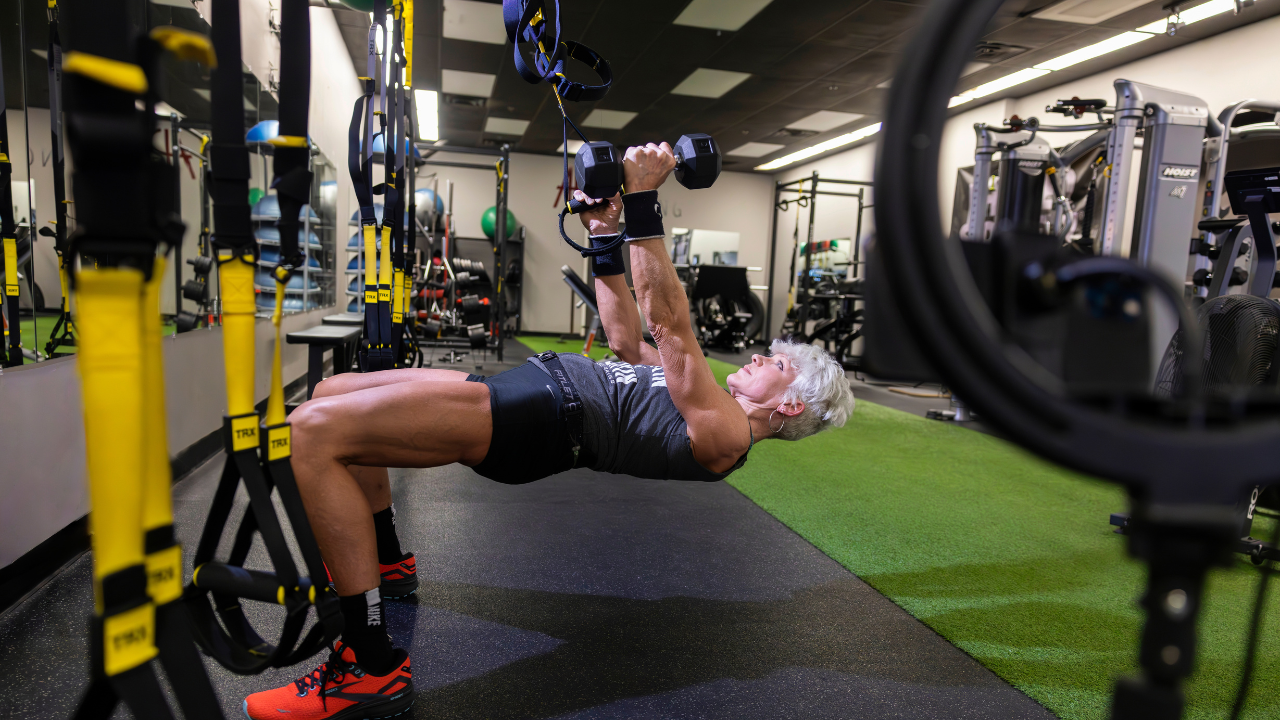
When you engage in physical activity, you’re essentially activating a biochemical cascade that helps balance hormones and rewire your brain circuits for optimal mental health. Here’s a look at the key pathways through which at-home workouts enhance your brain chemistry.
What Is the Impact of Endorphins and Neurotransmitters on Mood?
Endorphins are your body’s natural mood elevators and pain relievers. They bind to opioid receptors in your brain, creating feelings of euphoria and significant stress relief. At the same time, exercise boosts your serotonin and dopamine pathways, which are crucial for regulating mood and the brain’s reward system. Together, these neurotransmitters create a powerful, multi-layered emotional uplift that can last for hours after your workout.
How Does Cortisol Reduction Through Exercise Reduce Stress?
Consistent movement helps to blunt the body’s stress response system (the hypothalamic-pituitary-adrenal axis), leading to lower baseline cortisol levels. When cortisol is lower, inflammation decreases, and the fight-or-flight response calms down, preventing chronic stress from taking a toll on your mental health. Over time, this hormonal recalibration fosters greater emotional stability and resilience.
What Hormonal Changes Affect Mental Health in Women Over 50?
As women enter menopause, the decline in estrogen can impact mood-regulating neurotransmitters. Exercise can help by enhancing the sensitivity of receptors in your serotonin and dopamine systems. Furthermore, regular workouts help stabilize insulin levels and reduce inflammatory cytokines, which can significantly mitigate mood swings and support emotional balance during these hormonal transitions.
What Practical Strategies Help Women Over 50 Start and Maintain At-Home Workouts for Mental Well-Being?
Commit to a specific workout schedule and block that time in your calendar.
Opt for beginner-friendly formats like guided videos or clear, printed plans to ensure you know exactly what to do.
Keep track of your progress using simple journals or apps to build accountability and celebrate your wins.
Begin with shorter sessions and gradually increase the intensity to prevent burnout and build sustainable habits.
Infuse social connection by sharing your journey in an online community or with your coach.
How Can Women Overcome Barriers to Consistent Home Exercise?
Tackle common hurdles head-on by creating a dedicated workout space, treating your sessions like important appointments, and choosing routines that match your energy levels for the day. Incorporate safety modifications, such as chair-supported exercises or low-impact variations, to minimize any risk of injury. Setting small, achievable goals is key to experiencing early success and building unstoppable momentum.
What Are Effective Tips for Creating a Sustainable At-Home Workout Routine?
Design routines that artfully blend strength, flexibility, and cardio into 30- to 45-minute sessions, aiming for three to five times per week. Mix up your modalities to keep things fresh and prevent plateaus, ensuring you stay engaged. Prepare your equipment in advance, use motivating music or podcasts, and practice mindful cooldowns to really lock in that sense of relaxation.
How Does Online Personal Training Support Mental Health and Accountability?
Virtual coaching offers personalized feedback, helps you set clear goals, and provides crucial social connection, all of which combat feelings of isolation and uncertainty. Platforms that clearly explain “how online fitness coaching works,” like How Online Fitness Coaching Works - Anna McGee Fitness, guide women through the technology, ensuring they feel fully supported every step of the way. Plus, online trainers can adapt your plans as your needs evolve, ensuring continuous progress both physically and emotionally.
How Do Anna McGee’s Programs Specifically Enhance Mental Health Through At-Home Workouts?
Anna McGee’s programs are thoughtfully designed to combine proven exercise science with personalized support, maximizing mental well-being for women over 50. Each offering places a strong emphasis on consistency, community, and cognitive benefits, alongside building physical strength.
What Mental Health Benefits Does the Fit 4 Life Program Offer?
The Fit 4 Life program masterfully balances strength, cardio, and flexibility within a progressive framework designed to release endorphins, sharpen focus, and significantly improve sleep. Its low-impact approach minimizes injury risk while boosting your confidence through achievable milestones. Discover how the Fit 4 Life Program - Anna McGee Fitness can become your personal pathway to lasting emotional resilience.
How Does Built 2 Last Use Strength Training to Support Mind and Body?
Built 2 Last centers on progressive resistance workouts that are expertly crafted to elevate BDNF levels and reinforce your sense of self-efficacy. Structured modules guide you through safe weight progression, cultivating a powerful sense of mastery that translates directly into enhanced mental fortitude for your daily life. Learn more about the Built 2 Last Program - Anna McGee Fitness approach to building mind-body strength.
How Does Fit 4 U Provide Personalized Plans for Emotional Balance?
Fit 4 U offers truly customized exercise, recovery, and mindfulness techniques tailored to your unique goals, stress patterns, and lifestyle. These personalized routines are designed to ensure optimal neurotransmitter balance and prevent overtraining, safeguarding your emotional well-being. Explore the transformative benefits on the Fit 4 U Program - Anna McGee Fitness page.
What Real-Life Success Stories Highlight Mental Health Improvements from At-Home Workouts?
How Have Women Over 50 Reduced Anxiety and Depression Through Home Fitness?
One inspiring client shared that her anxiety scores dropped by a remarkable 40% after just eight weeks of consistent strength and cardio routines, crediting the structured workouts for helping her regain a profound sense of control. Another client successfully navigated chronic low mood by committing to daily yoga, noting a significant reduction in anxious thoughts and fewer panic episodes.
What Changes in Mood and Sleep Have Clients Experienced?
Participants consistently report falling asleep more easily and waking up feeling genuinely refreshed, linking this improved sleep quality to reduced irritability and sharper concentration. Many also mention that their end-of-day workouts serve as a vital way to “unplug” from daily stressors, creating a reliable emotional reset.
How Does Community and Support Enhance Mental Well-Being in Online Coaching?
Engaging in group challenges, participating in live video check-ins, and connecting within our private Facebook community fosters strong social bonds that effectively combat loneliness. Sharing triumphs and offering words of encouragement within this supportive network reinforces progress and reminds members they are part of a dedicated team focused on holistic wellness.
What Role Do Nutrition and Sleep Play in Supporting Mental Health Alongside At-Home Workouts?
Adopting a holistic approach that includes balanced eating and restorative sleep is key to amplifying the mental health benefits you gain from exercise. Proper fueling and recovery are the cornerstones of neurotransmitter production and building robust stress resilience.
How Does Nutrition Complement Exercise for Mental Clarity and Mood?
A hormone-reset meal plan, rich in omega-3 fatty acids, B-vitamins, and antioxidants, plays a crucial role in stabilizing blood sugar and supporting neurotransmitter synthesis. For detailed, actionable guidance, be sure to check out the Meal Plan for Hormone Reset Guide - Anna McGee Fitness, which expertly aligns macronutrients with your exercise phases to optimize cognitive function and emotional balance.
Why Is Sleep Important for Mental Health in Women Over 50?
Deep sleep cycles are essential for synaptic pruning and memory consolidation, ensuring that BDNF and other neurotrophic factors actively contribute to long-term brain health. Adequate rest also plays a vital role in regulating cortisol and mood hormones, helping to prevent the irritability and cognitive fog that often accompany chronic sleep deprivation.
How Can Integrating Fitness, Nutrition, and Sleep Maximize Mental Health Benefits?
Strategically coordinating your workouts with nutrient timing and establishing consistent bedtime routines creates a powerful synergistic effect on hormone balance, neurotransmitter optimization, and overall emotional stability. By combining Anna McGee’s comprehensive holistic resources—from The Power Aging Blueprint Guide to expertly guided exercise videos—you gain a complete roadmap to achieving and sustaining vibrant mental well-being.
Start Getting Better Now
Anna McGee’s at-home programs are designed to empower women over 50 to reclaim their mental health through the transformative power of movement, community, and holistic support. By integrating strength training, mindful practices, and personalized coaching, you’ll experience a tangible reduction in stress and a remarkable increase in mental clarity. Embrace at-home workouts as your ultimate toolkit for building emotional resilience and connect with a vibrant community that celebrates every single milestone. Ready to embark on this empowering journey? Visit Start Training with Anna McGee and explore our Blog - Anna McGee Fitness for a continuous stream of inspiration and practical advice.
Join our thriving, supportive community on Instagram, Facebook, and YouTube for engaging exercise demos, daily motivation, and real-time tips designed to keep your mind and body thriving.