Effective Home Strength Workouts for Women Over 50
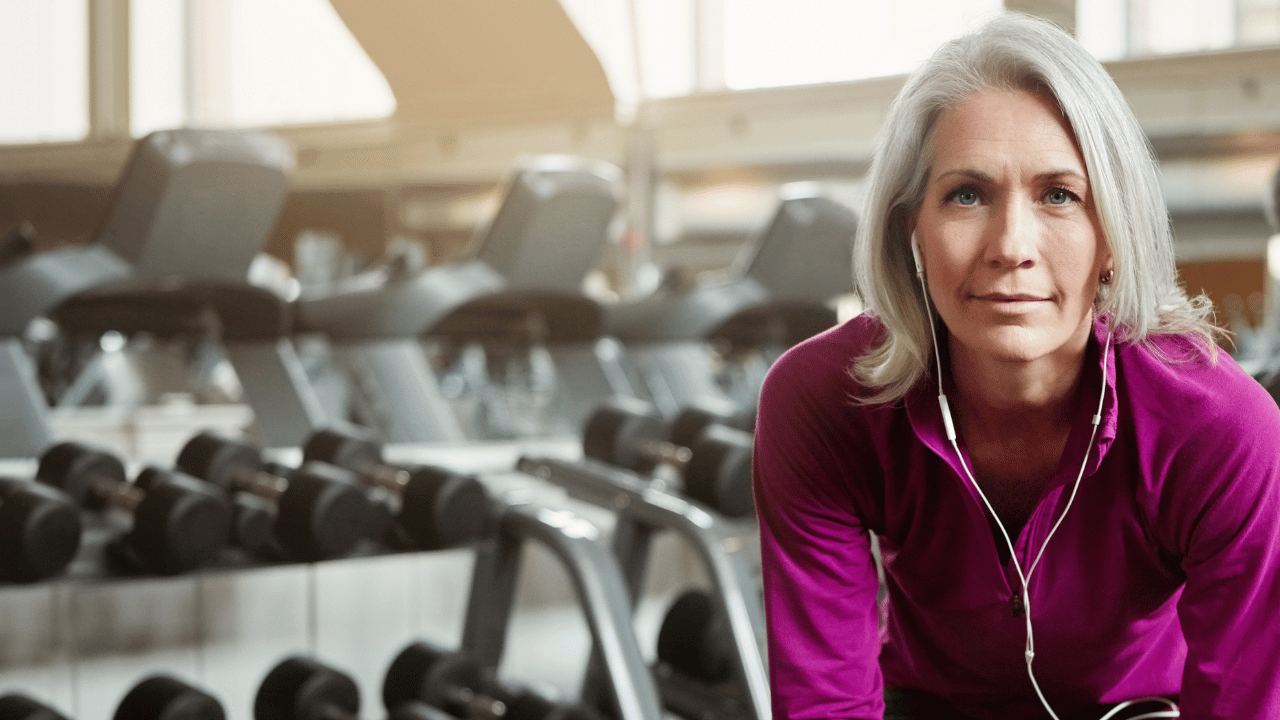
Staying strong matters more than ever as we get older. This practical guide is written for women over 50 who want simple, safe home strength work—work that builds muscle, supports bone health, and boosts confidence. You’ll find why strength training matters, how to start safely, which exercises work best, a weekly plan you can follow, nutrition tips that support recovery, and how Anna McGee Coaching can support your journey.
TL;DR
Strength is crucial after 50: Counteracts muscle/bone loss, improves metabolism, and eases menopause symptoms.
Start safely at home: Begin gently, listen to your body, and consider minimal equipment like dumbbells or bands.
Effective exercises: Combine foundational bodyweight moves (squats, push-ups, planks) with dumbbell exercises (rows, deadlifts, overhead press).
Consistent schedule: Aim for 2-3 strength sessions per week with adequate rest for muscle repair and growth.
Fuel your body: Prioritize protein for recovery (1.0–1.6 g/kg body weight), stay hydrated, and maintain a balanced diet.
Personalized support: Coaching can provide tailored plans and accountability to navigate challenges and achieve lasting strength.
Why strength training is so important after 50
Strength training helps counter the muscle and bone loss that often comes with age. Regular resistance work can improve bone density, preserve muscle, and support a healthier metabolism. Those benefits are especially helpful during and after menopause, when hormonal shifts can change body composition and strength.
Key benefits of strength training after 50
Stronger bones: Regular resistance work helps maintain or increase bone density and lowers osteoporosis risk.
More muscle power: Building strength makes everyday tasks easier and reduces fall risk.
Improved balance and coordination: Strength training enhances stability and helps prevent injuries.
These wins make strength work a smart addition to your regular fitness routine, especially as your body changes with age.
How strength work helps with menopause and hormones
Resistance training supports hormonal health by helping manage weight, improving mood, and supporting metabolic balance. Many women find strength training eases symptoms like weight gain and mood swings, giving more consistent energy and better overall well‑being.
How to start safe home strength workouts after 50
Beginning a home strength routine should feel steady and sensible. Prioritize safe progress, listen to your body, and focus on building good movement habits before pushing intensity.
Safety tips for exercising at home
Check with your doctor: If you have health concerns or chronic conditions, get medical clearance before starting a new program.
Pay attention: Notice how your body responds and adjust the workout or rest as needed.
Begin gently: Start with lighter weights or bodyweight variations to build a foundation before increasing resistance.
These simple precautions help you stay consistent and avoid setbacks.
Minimal equipment worth having at home
Dumbbells: Flexible for many exercises and easy to progress with.
Resistance bands: Portable, joint-friendly, and great for adding controlled resistance.
Your own bodyweight: A perfectly fine way to build strength without buying gear.
With these basics you’ll cover most strength goals from the comfort of home.
Effective bodyweight and dumbbell exercises for women over 50

Combine bodyweight and dumbbell moves to get strong safely. Below are foundational options that work well at home and scale with your progress.
How to do foundational bodyweight moves safely
Squats: Builds leg strength and balance—sit back into your hips, keep knees aligned with toes, and avoid letting knees collapse inward.
Push-ups: Great for chest and arms—modify on your knees or against a wall if full push‑ups feel too heavy.
Planks: Strengthens the core—start with short holds and increase time as your stability improves.
These moves can be done anywhere and require zero equipment, making them reliably accessible.
Dumbbell moves that build strength and protect joints
Dumbbell rows: Strengthen the back and arms—keep a neutral spine and drive through the shoulder blade.
Dumbbell deadlifts: Target hamstrings and glutes—hinge at the hips, keep the back neutral, and use a manageable weight.
Overhead press: Builds shoulder and arm strength—brace your core and press with control to protect the joints.
Done with attention to form, these exercises increase strength while minimizing joint stress.
How to build a weekly home strength schedule
A clear, simple schedule keeps you consistent and helps you progress. Aim for quality work, not quantity.
Ideal frequency and rest for strength gains
Frequency: 2–3 focused strength sessions per week, with at least one rest day between sessions.
Rest days: Use rest or active recovery days so muscles can repair and get stronger.
That balance—regular stimulus plus recovery—drives steady improvements while lowering injury risk.
How to progress safely at home
Raise weight gradually: When a weight feels manageable for your target reps, increase it a little.
Add reps: If you can’t add weight yet, increase repetitions to keep challenging the muscles.
Change exercises: Rotate movements to hit muscles from new angles and avoid plateaus.
Small, consistent changes over time are the most reliable way to keep getting stronger.
Nutrition to support strength and recovery after 50
What you eat matters for gains and recovery. Focus on protein, hydration, and a balanced plate to fuel workouts and repair muscle.
How protein supports recovery and muscle growth
Good protein sources: Lean meats, fish, dairy, legumes, and plant‑based proteins all help rebuild tissue.
Recommended intake: Aim roughly for 1.0–1.6 g/kg of body weight per day, adjusted to your activity level and health needs.
Consistent protein across the day supports recovery and helps you retain lean mass as you age.
Research highlights that older adults often need larger protein doses after exercise to trigger a strong muscle‑building response.
Optimal Protein Intake for Muscle Recovery in Older Adults
Older adults tend to have a smaller muscle‑protein response to low protein doses (under ~20 g) after exercise. However, when older adults consume larger amounts of protein—around ~40 g—the muscle protein synthesis response can be much stronger. In short, older muscle can still respond well, but it often needs a bigger post‑exercise protein dose to do so.
What is the optimal amount of protein to support post-exercise skeletal muscle reconditioning in the older adult?, AM Holwerda, 2016
Why hydration and a balanced diet matter
Hydration tips: Sip water before, during, and after workouts to stay hydrated and support performance.
Balanced diet: Fill meals with vegetables, fruit, whole grains, and healthy fats to supply energy and nutrients for recovery.
Good hydration and a varied diet make your workouts more effective and speed recovery.
How Anna McGee Coaching can help women 50+ get lasting strength at home
Anna McGee Coaching focuses on empowering women over 50 with coaching that’s personalized, practical, and rooted in real life. Programs combine strength work, sensible nutrition, and ongoing support so you can build lasting fitness without confusion or overwhelm.
What the Built 2 Last 1-on-1 online coaching program includes
For women who want hands‑on, personalized guidance, the Built 2 Last program delivers tailored coaching and real accountability.
Personalized plans: Workouts and nutrition built around your fitness level, goals, and lifestyle.
Direct coaching: Ongoing support and feedback from experienced coaches to keep you progressing and on track.
How personalized coaching addresses menopause and other challenges
Individualized strategies: Programs are adapted for hormonal changes, mobility limits, and energy shifts.
Symptom support: Coaches offer practical tools to manage menopause symptoms through movement and nutrition.
This targeted support helps you navigate aging with clarity and confidence.
When combined—regular strength work, sensible safety, and good nutrition—women over 50 can make real, lasting progress. With the right approach and support, building strength and confidence at home is completely achievable. Learn how personalized coaching can help you get there: Fit 4 Life.
Maintain Your Health
Strength training is one of the best investments you can make for long‑term health after 50. With thoughtful progressions, attention to form, and fuel that supports recovery, you can increase muscle, support bone health, and feel more confident in daily life. If you’d like guidance, personalized coaching can make the path clearer, safer, and more sustainable. Ready to take the next step? Contact us and explore our programs for you to stay strong and healthy.