Beginner Strength Training Guide for Women Over 50
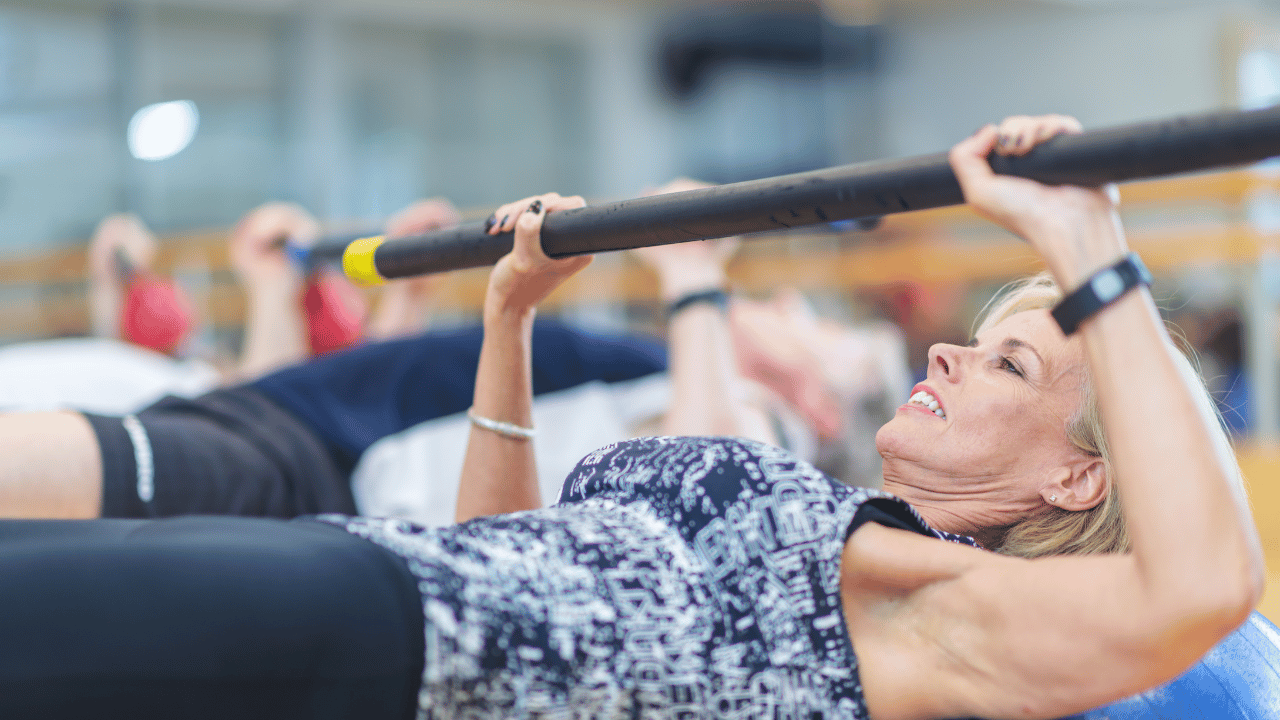
As we get older, maintaining muscle and function becomes one of the smartest investments we can make in our health. This guide pulls together practical, evidence-backed advice tailored for women over 50 - from getting started safely to choosing equipment, structuring a routine, and supporting gains with food and recovery. If you’re curious about how strength training can help with muscle loss, bone health, or the changes that come with menopause, you’ll find clear, doable steps here. Learn more about who I am and why I care at About Anna McGee.
TL;DR
Strength training is crucial for women over 50 to maintain muscle, function, and vitality.
This guide covers safe starting points, equipment, routines, nutrition, and recovery.
It addresses concerns like muscle loss, bone health, and menopause-related changes.
Regular resistance work boosts physical ability, mood, and self-confidence.
Research shows strength training improves not just physical ability but how women see themselves.
12‑Week Strength Program: Strength Gains and Self‑Concept
A study of 43 women who completed a 12‑week progressive weight‑training program found measurable increases in strength alongside improvements in self‑concept across younger and older participants. The intervention highlights how structured resistance work can change both bodies and confidence.
The effects of a strength training program on the strength and self-concept of two female age groups, 1986
Why strength training matters after 50
Strength training is one of the most effective ways to preserve independence and vitality as you age. Regular resistance work helps slow age‑related muscle loss, supports bone density, and improves everyday function - so climbing stairs, carrying groceries, or playing with grandkids feels easier. It also lowers risk factors for chronic disease and supports mood and self‑esteem.
Clinical trials support resistance training as a way to reduce age‑ and menopause‑related declines in muscle and strength.
Resistance Training & Menopause: Preserving Muscle and Strength
Resistance training (RT) effectively counters the loss of muscle mass and strength linked to aging and menopause in middle‑aged women (40–60 years). While studies with free weights in pre‑ and post‑menopausal groups remain limited, evidence points to measurable body composition and strength benefits from structured RT.
Resistance training alters body composition in middle-aged women depending on menopause—A 20‑week control trial, E Isenmann, 2023
Key benefits of strength work after 50
Here are the changes most women report from consistent strength training:
More muscle mass: Regular resistance work helps rebuild and maintain the muscle that naturally declines with age, improving stamina and mobility.
Better metabolic health: Strength training supports a healthier metabolism, which makes weight management easier and lowers risk for insulin resistance and type 2 diabetes.
Stronger mood and cognition: Exercise that challenges your body often improves mood, sharpens thinking, and reduces anxiety and depressive symptoms.
Different training approaches produce meaningful neuromuscular and functional improvements in older women.
Training Types & Adaptations in Older Women
A randomized trial compared three strength‑training approaches in healthy older women (average age 67 ± 5). Across 58 participants, measured neuromuscular, morphological, and functional gains varied by method but showed overall improvements in strength and lower‑body function versus controls.
Different types of strength training in older women, DP LaRoche, 2012
How strength training helps hormones and metabolism
Strength work supports hormonal balance and metabolic health in several ways:
Hormone regulation: Regular resistance exercise helps stabilize insulin and cortisol responses, which supports energy and stress management.
Metabolic boost: More muscle raises resting metabolic rate, so you burn more calories even when you’re not exercising.
Bone support: Weight‑bearing and resistance exercises stimulate bone remodeling and help protect against osteoporosis.
Getting started safely as a beginner over 50
Starting strength training can feel intimidating, but a careful, gradual approach makes it both safe and rewarding. Prioritize form, consistency, and recovery over heavy lifts early on.
Safety tips and injury prevention for beginners
Follow these basics to reduce risk and build confidence:
Check with your healthcare provider: If you have chronic conditions or concerns, get medical clearance before starting a new program.
Begin light and focus on form: Learn movement patterns with bodyweight or light resistance before increasing load.
Respect pain and soreness: Mild muscle soreness is normal; sharp or persistent pain is not - modify movements and seek guidance if needed.
Choosing the right beginner program for you
Pick a program that matches your goals, lifestyle, and any health limitations. Consider these factors:
Your goals: Do you want strength, endurance, mobility, or a mix? Let that guide exercise selection and frequency.
Health considerations: Work around past injuries, joint issues, or medical conditions with appropriate modifications.
Community and accountability: Classes, small groups, or an online community can keep you motivated and consistent.
Best equipment and exercises for beginners
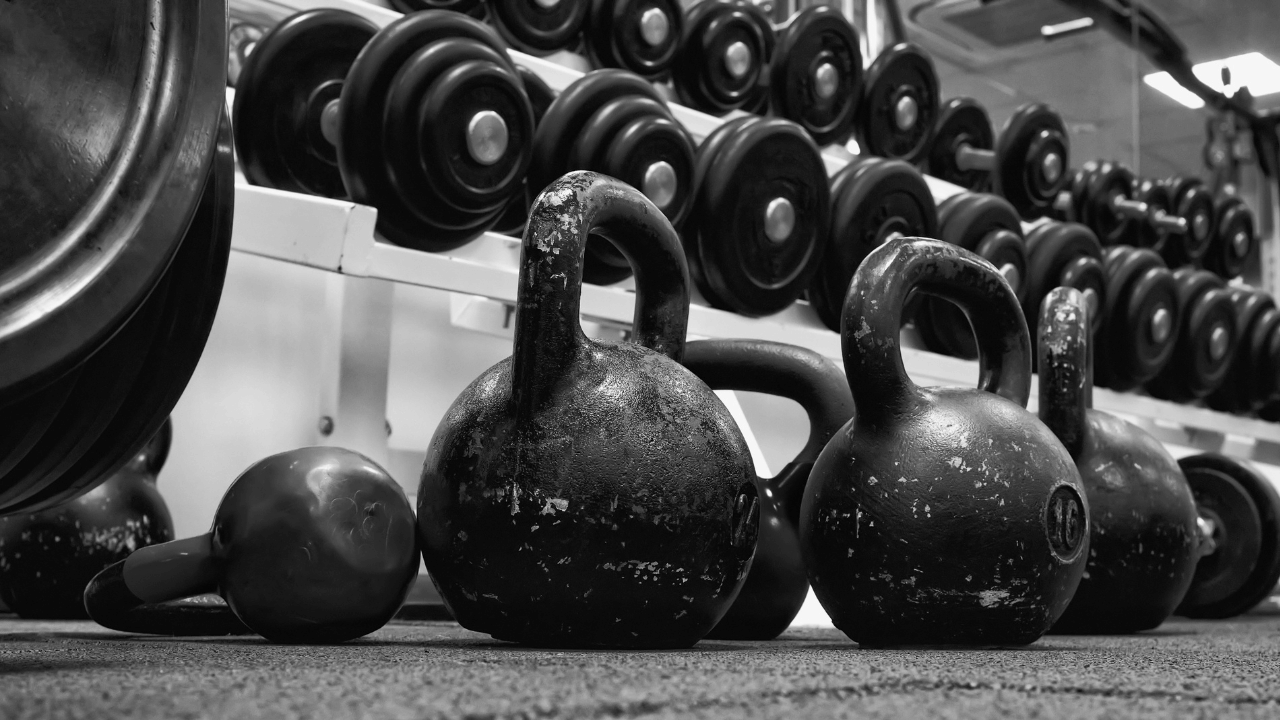
You don’t need a fancy gym to get results. Use tools that feel accessible and let you progress safely.
Using dumbbells, resistance bands, and bodyweight
Each option has strengths:
Dumbbells: Great for progressive loading and balanced strength development across muscle groups.
Resistance bands: Portable, affordable, and excellent for controlling resistance through the range of motion.
Bodyweight: Perfect for building foundational movement quality - think squats, lunges, and push variations.
Easy at‑home exercises with no equipment
Simple, effective moves you can do anywhere:
Chair squats: Sit back to a chair and stand - a controlled, low‑impact way to strengthen the legs and improve balance.
Wall push‑ups: A gentle progression toward floor push‑ups that builds upper‑body strength without strain.
Seated leg lifts: While seated, extend one leg and hold briefly to strengthen the quadriceps and improve knee stability.
Structuring a beginner routine
A clear plan helps you progress safely and consistently. Aim for full‑body sessions that prioritize compound movements.
Sample 4‑week beginner plan for women over 50
Try this gradual progression:
Week 1: Learn movement patterns using bodyweight and light dumbbells, 2–3 sessions per week.
Week 2: Add resistance bands, increase to 3–4 sessions, and keep sessions full‑body.
Week 3: Introduce more exercise variety to target all major muscle groups, maintaining 3–4 sessions.
Week 4: Slowly increase weight or resistance while keeping form the priority; focus on steady strength gains.
Progressing safely with weights and building endurance
Progress at a sustainable pace:
Increase weight gradually: When you can perform 12–15 reps with good form, increase load slightly rather than jumping big.
Track progress: Note weights, reps, and how you feel - small wins add up and keep you motivated.
Build in recovery: Schedule rest days and lighter sessions so muscles can rebuild stronger.
Nutrition and habits that support strength gains
Your training will go farther with smart nutrition, hydration, and recovery practices.
Why protein matters for muscle maintenance after 50
Protein provides the building blocks your muscles need to repair and grow. For women over 50, adequate protein helps preserve lean mass and supports recovery from workouts.
Support repair: Post‑workout protein aids recovery and muscle rebuilding.
Preserve mass: Consistent protein intake helps counteract age‑related muscle loss so you stay active and strong.
Hydration and recovery for better results
Don’t underestimate rest and fluids - they’re part of progress:
Hydration: Drink water throughout the day and around workouts to support performance and recovery.
Recovery practices: Prioritize sleep, gentle stretching, and scheduled rest days to let your body adapt and grow stronger.
How personalized coaching can help women over 50 thrive
Personalized coaching offers structure, accountability, and tailored adjustments so you progress safely and stay motivated.
What's included in Built 2 Last and Fit 4 Life
Anna McGee Coaching offers programs created specifically for women over 50, including:
Built 2 Last: A strength‑focused plan that combines personalized workouts with nutrition guidance to build lasting muscle and endurance.
Fit 4 Life: A holistic program blending strength training with lifestyle coaching to support long‑term health and daily function.
There’s also Fit 4 U for clients seeking a more individualized approach to their fitness journey.
Addressing menopause and medication considerations in coaching
Coaches adapt plans to your unique needs, including:
Menopause: Strategies to manage symptoms and preserve muscle and bone health during hormonal changes.
GLP‑1 medication use: Guidance to align training and nutrition with medication effects on appetite, weight, and metabolism.
Strength training is a practical, high‑impact way to protect your health and independence. With the right approach - gradual progression, good nutrition, and attention to recovery - women over 50 can build meaningful strength and confidence.
Start Strength Training Today
Strength training matters at every age, and for women over 50 it’s especially powerful. Regular resistance work increases muscle mass, improves metabolic health, and supports mental well‑being. Start safely, prioritize consistency and recovery, and consider coaching for personalized support. If you’re ready to begin, contact us and explore our programs designed to meet you where you are and help you stay strong for the long run.