Exercise and Menopause: The Best Workouts to Feel Strong Again

If menopause has left you feeling like your body stopped listening to you, you are not imagining it, and you are not stuck. The single best thing you can do is train your muscles against resistance two or three times a week, add some easy cardio, and protect your balance. That combination does more for menopause symptoms than any one workout on its own, and it is the backbone of the plan I coach in my programs.
I am 64. I have trained through menopause myself and coached hundreds of women through it. So when I tell you exercise is the closest thing we have to a lever on how you feel in this season, I am not reading it off a study. I have watched it happen in my classes, week after week.
Why exercise matters more during menopause, not less
When estrogen drops, three things speed up: you lose muscle faster, you lose bone faster, and fat settles more around your middle. Left alone, that is the recipe for feeling weaker and older than you are. Exercise is how you push back on all three at once. It tells your body to keep the muscle, hold onto bone, and stay steady on your feet.
It also helps with the symptoms that do not show up on a scale. Regular training improves sleep, steadies mood, and takes the edge off the joint stiffness and low energy so many women describe. You will not feel perfect every day. But consistent movement is the difference between managing this season and feeling run over by it.
The best exercises for menopause, by what they fix
You do not need a different workout for every symptom. You need three kinds of movement, in the right balance.
Strength training: the non-negotiable
If you only had time for one thing, this would be it. Lifting weights, using resistance bands, or working against your own body weight is what protects your muscle and bone through menopause. Aim for two or three sessions a week that cover the big movements:
Squats or sit-to-stands for your legs and hips.
Rows and presses for your back, shoulders, and posture.
Hip bridges and carries for your glutes and core.
Start lighter than you think and focus on clean form. If lifting during menopause feels intimidating, I walk you through exactly how to begin in my guide to start strength training safely during menopause.
Cardio: enough to help, not so much it backfires
Cardio is good for your heart, your mood, and your sleep. But hours of hard cardio can actually work against you in menopause by driving stress and appetite up. Keep most of it easy: brisk walks, cycling, swimming, or a dance class you enjoy. Add one or two shorter, harder efforts a week if you feel good. The goal is a heart that works well, not a body that feels punished.
Balance and mobility: the quiet insurance policy
This is the piece most women skip, and it matters more every year. A few minutes of single-leg work, gentle stretching, and mobility moves protects you from the falls and stiffness that steal independence later. It costs you almost nothing and pays you back for decades.
What a simple week looks like
You do not need to live at the gym. A realistic menopause week might be:
Two or three short strength sessions, about 30 minutes each.
A few easy walks or a cardio class you like.
A few minutes of balance and stretching most days, even in front of the TV.
That is it. Consistent and doable beats perfect and exhausting every single time. If following along with a plan built for our bodies sounds easier than piecing it together yourself, that is exactly what my Fit 4 Life home workouts are for.
What about the belly?
If the change around your middle is your main frustration, you are far from alone, and it deserves its own answer. Spot-reducing does not work, but the right mix of strength and smart eating does move the needle. I broke that down in the top 10 ab exercises to shred menopause belly fat, so start there if belly fat is your focus. Then come back to this plan for the full picture.
Feed the work
Exercise and food work as a team in menopause. You do not have to overhaul your diet overnight, but getting enough protein and steadying your blood sugar makes every workout count for more. If you want a simple place to start, my free 5-day hormone reset meal plan gives you a week of meals built for this stage, no guesswork required.
You are not too old, you just need the right plan
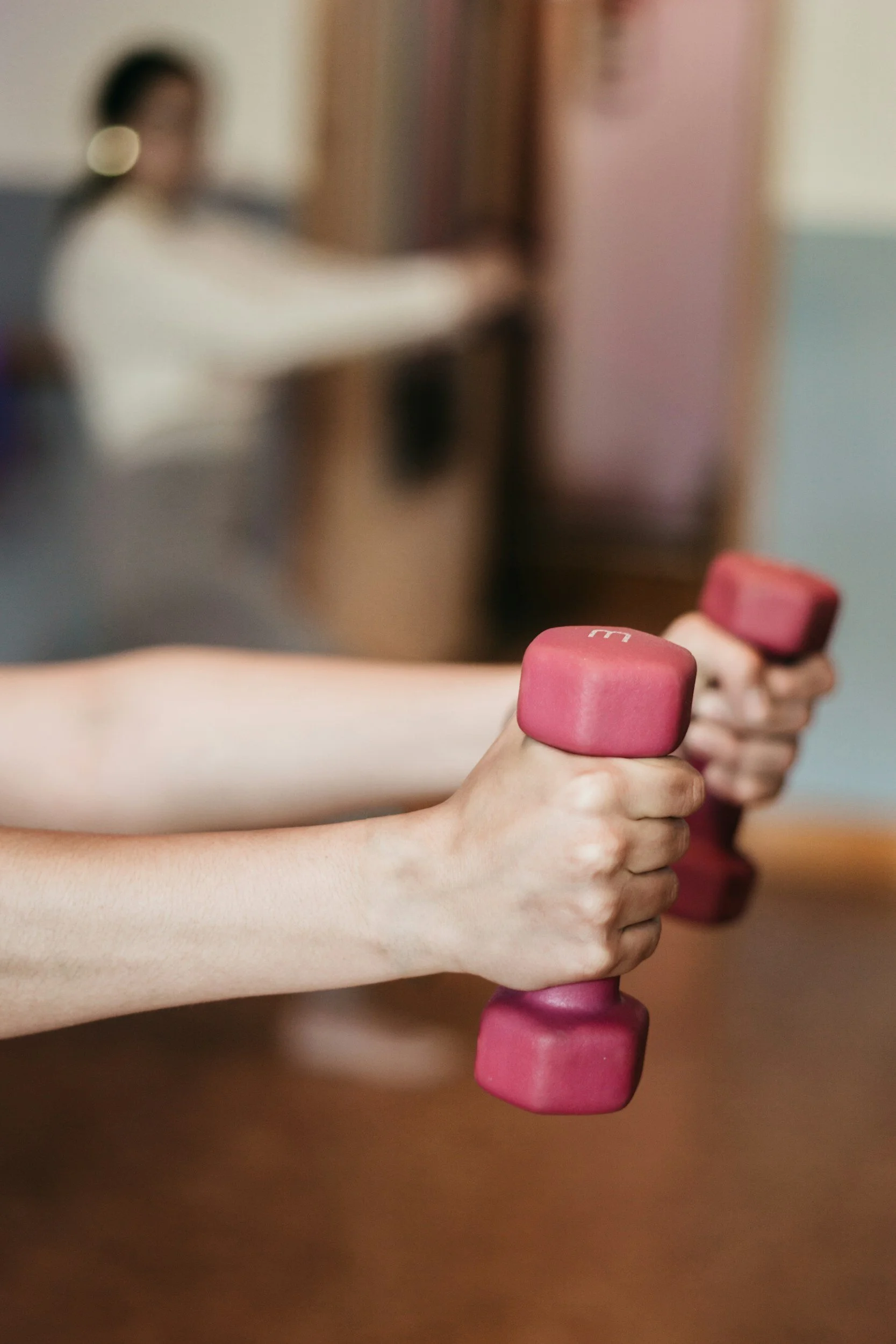
Here is what I want you to hold onto. Menopause is not the end of feeling strong. For a lot of women, with the right training, it is the start of feeling stronger than they have in years. You just have not had the right support yet. Pick two days this week, do a short strength session, and go for a walk. That is the whole beginning. When you want the plan handed to you, take a look at my programs and find the one that fits your life.
Frequently asked questions
What is the best exercise for menopause? Strength training is the best single choice, done two or three times a week. It protects the muscle and bone you lose faster during menopause, supports your metabolism, and improves how strong and steady you feel. Pair it with easy cardio and a little balance work for the full benefit.
How often should a menopausal woman work out? Most women do well with two or three strength sessions and a few easy cardio days each week, plus a few minutes of balance and stretching on most days. Consistency matters more than long or intense sessions.
Can exercise really help menopause symptoms? Yes. Regular exercise, especially strength training, is linked to better sleep, steadier mood, less joint stiffness, stronger bones, and better weight management during menopause. It will not erase every symptom, but it is one of the most reliable tools you have.
Is it too late to start exercising after menopause? It is never too late. Women who start strength training in their 50s, 60s, and beyond still build muscle, gain bone, and improve balance. The best time to start was years ago. The second best time is this week.