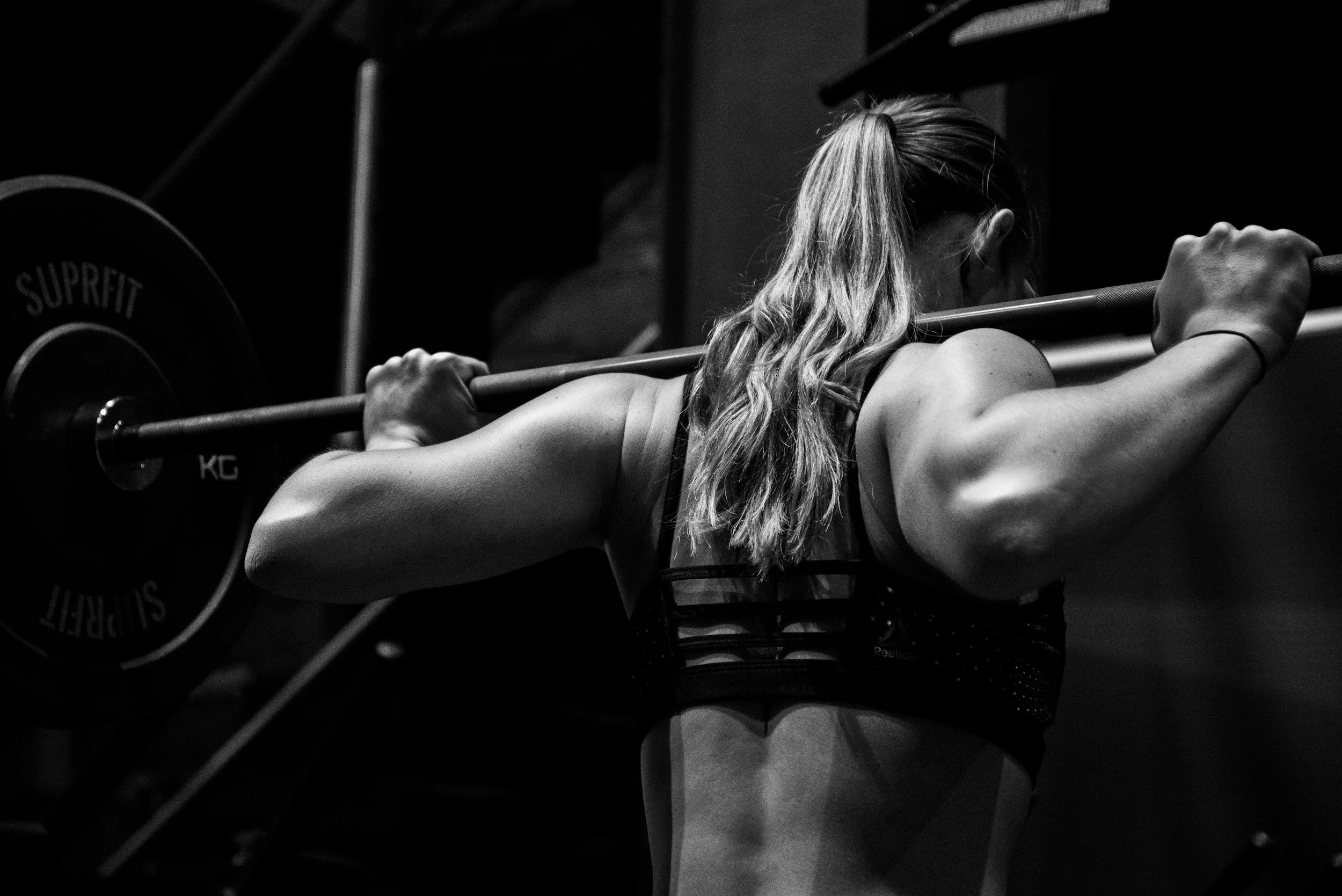
If you are over 60 and wondering whether it is too late to start lifting, let me answer that right now: it is not. Your muscles still respond at 60, at 70, and beyond. Start with two short strength sessions a week, focus on the movements you use in real life, and build slowly. That is the entire secret, and it is what I coach every day inside Fit 4 Life.
I am 64. I train before my first client most mornings, and I am stronger now than I was in my 40s. I am not telling you that to impress you. I am telling you because I meet women all the time who think their window closed. It did not. Mine did not, and I started taking my own strength seriously later than I would like to admit.
Why strength matters even more after 60
Here is the honest truth about aging. From our 30s on, we slowly lose muscle every year, and that loss speeds up after menopause. Less muscle means a slower metabolism, weaker bones, and a body that feels less steady and less capable. That is the path when we do nothing.
Strength training is how you step off that path. When you train your muscles against resistance, your body holds onto them and even builds more. Strong muscles protect your bones, keep your metabolism working, and, most important, keep you independent. The ability to carry your own groceries, get up off the floor, and catch yourself when you stumble is not luck. It is trained.
Is it safe to start lifting at 60 or older?
For the vast majority of women, yes, and it is safer than not lifting. Weak muscles and poor balance are what lead to falls and broken hips, not careful strength training. That said, start smart:
If you have a heart condition, recent surgery, or a specific injury, check with your doctor first.
Begin lighter than you think you need to. Your muscles are ready, but your joints and tendons want a gentle on-ramp.
Learn the movement before you add weight. Good form is what keeps you safe for the long haul.
Start where you are, not where you wish you were. That is not a limitation. It is exactly how everyone who gets strong begins.
The movements that matter most
You do not need machines or a complicated split. You need to train the patterns you use in daily life, and you can do most of them at home with a chair and a couple of light dumbbells.
Sit-to-stand (legs and hips)
Sit on a chair and stand up without using your hands, then lower down with control. This one move rebuilds the strength to get off the couch, out of the car, and up from the floor. Add a dumbbell held at your chest when it gets easy.
Rows (back and posture)
Hold a weight in each hand, hinge forward with a flat back, and pull the weights toward your ribs. This fights the rounded-shoulder posture that creeps in with the years and keeps your upper back strong.
Overhead press (shoulders)
Press light dumbbells overhead and lower them with control. This keeps the shoulder strength you need to reach a high shelf or lift a bag into an overhead bin.
Hip bridge (glutes and low back)
Lie on your back, feet flat, and lift your hips by squeezing your glutes. Strong glutes protect your low back and your knees and steady your walk.
Standing balance (steadiness)
Hold the back of a chair and practice standing on one foot. Balance is a skill, and it responds to practice at any age. A minute a day makes a real difference.
Do 8 to 12 slow reps of each, rest, and repeat the circuit two or three times. Twice a week is enough to start seeing change.
Give your body a reason to keep the muscle
Two things make your training stick after 60. The first is enough protein, since older muscles need a little more of it to rebuild. The second is patience. Strength does not come back overnight, but it does come back. Most women feel steadier within a few weeks and clearly stronger within a couple of months.
If you want to see how women in exactly this stage keep building, my post on building muscle strength in older adults walks through what actually works, and my gym strength training routines for women over 50 give you a template you can carry right into your 60s and 70s.
Turning 60 is a beginning, not an ending

I coach women who started strength training at 62, at 68, at 71. Not one of them has ever told me they wish they had waited longer. They tell me they feel younger, steadier, and more like themselves. That is the whole point of strength training for women who want to age strong.
So pick two mornings this week and run through the five moves above, light and slow. That is the start. And when you want the whole plan laid out for you, week by week, come see my programs and pick the one that fits your life. You are not too old to get strong. You are right on time.
Frequently asked questions
Can a woman over 60 build muscle? Yes. Research and real-world experience both show that women in their 60s, 70s, and older still build muscle when they train against resistance. It may come a little slower than it did at 30, but the gains are real and they protect your health.
How should a woman over 60 start strength training? Start with two short sessions a week using body weight and light dumbbells. Focus on the basics: sit-to-stands, rows, presses, hip bridges, and balance work. Learn the form first, then add weight gradually. Twice a week is enough to begin.
How often should women over 60 lift weights? Two to three strength sessions a week, with a rest day in between, is ideal for most women over 60. Your muscles get stronger during recovery, so those rest days are part of the plan, not time off from it.
Is it too late to start lifting at 65 or 70? No. There is no age at which strength training stops working. Women who start in their late 60s and 70s still gain strength, bone, and balance. The best time to start is now.