Resistance Training for Women Over 50: Where to Start and Why It Works
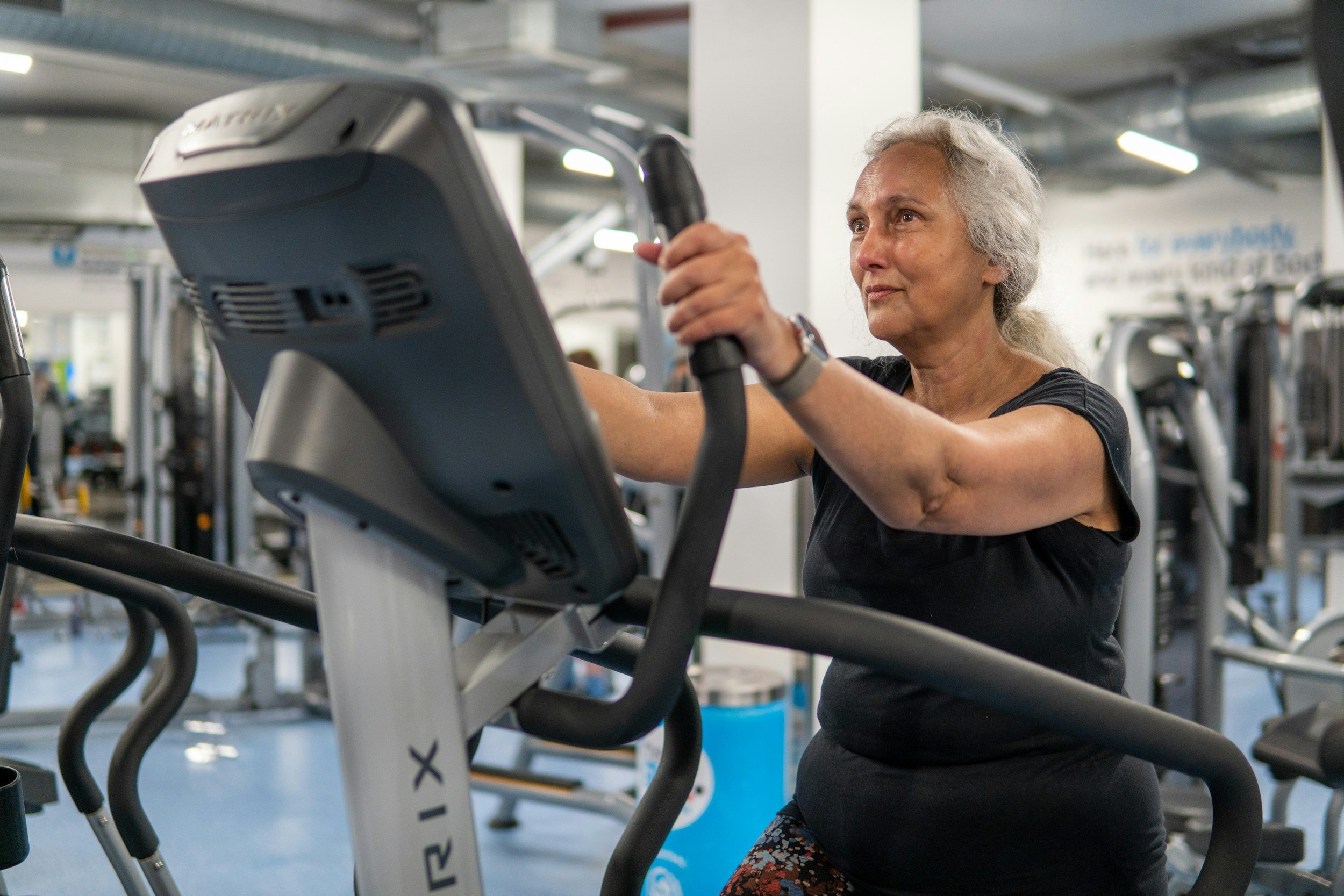
If you are over 50 and you have been told to "just do more cardio," I want to gently set the record straight. The exercise that changes the most for us in midlife is resistance training. I am 64, I lift several times a week, and I coach women in their 50s, 60s, and 70s who are stronger now than they were at 40. You can start with the right kind of support and see the difference in a matter of weeks.
Resistance training simply means asking your muscles to work against a load. That load can be a dumbbell, a resistance band, a weight machine, or your own body weight. It is not about lifting heavy for the sake of it or looking like a bodybuilder. It is about keeping the muscle, bone, and strength that quietly slip away after menopause if we do nothing.
Why resistance training matters more after 50
Here is the part most women are never told. Starting around menopause, we lose muscle faster than before, and with it we lose strength, bone density, and a good chunk of our metabolism. Muscle is the tissue that keeps you steady on the stairs, lets you carry groceries and grandkids, and burns energy even while you rest.
Resistance training is the one thing that reliably slows and reverses that loss. When you challenge a muscle, it rebuilds a little stronger. Do that consistently and you protect your independence, not just your figure. This is training that works with your hormones, not against them.
A few specific things resistance work gives women in midlife:
Stronger bones. Loading a muscle also loads the bone it pulls on, which signals the bone to stay dense. That matters when one in two women over 50 will break a bone from osteoporosis.
A steadier metabolism. More muscle means your body uses more energy around the clock, which makes weight easier to manage without starving yourself.
Better balance and fewer falls. Strong legs and a strong core keep you upright. I have watched clients go from gripping the handrail to jogging up the stairs.
Blood sugar that behaves. Muscle is where your body parks the sugar from your meals, so training helps keep energy and cravings even.
Is it safe to start lifting at my age?
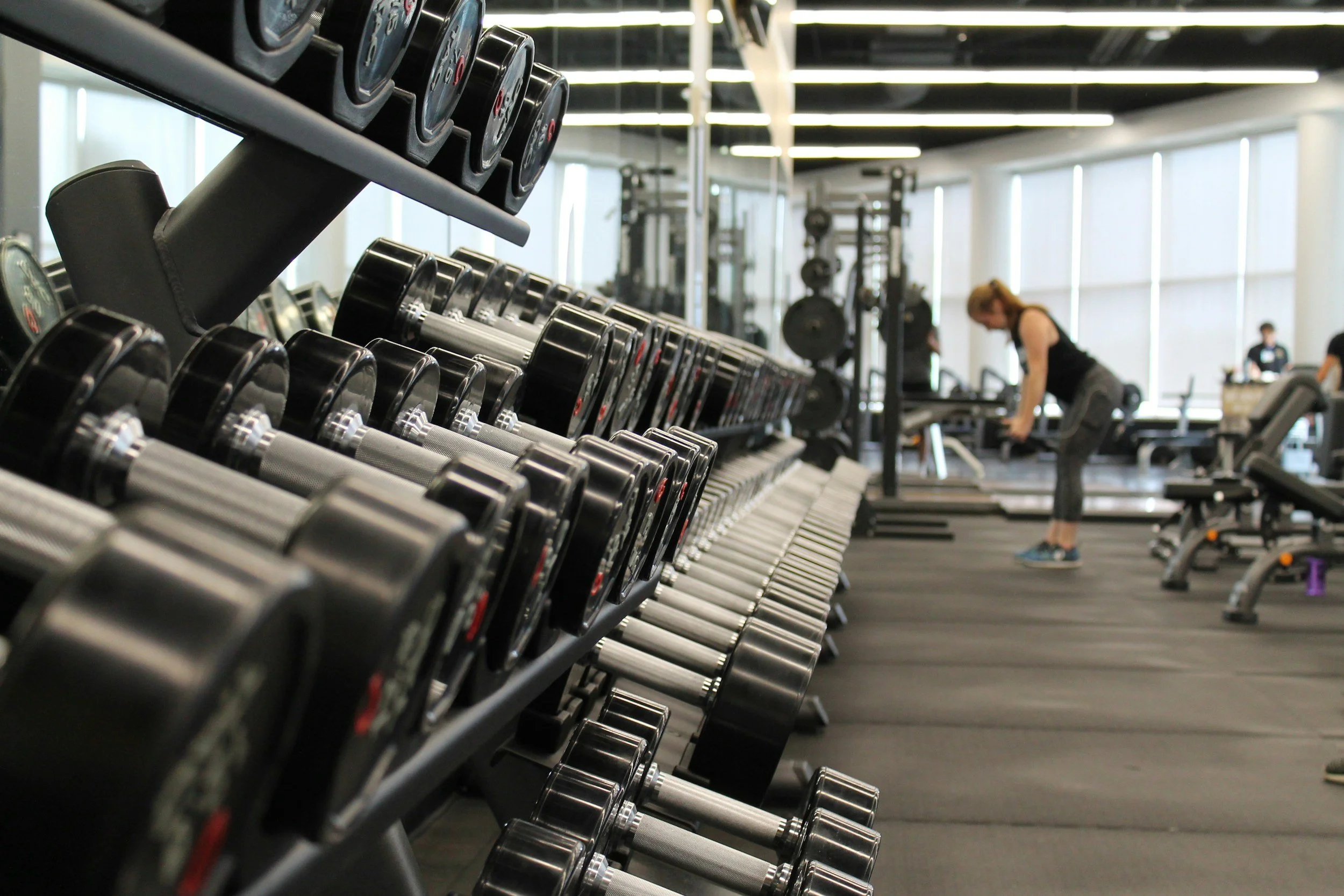
Yes, and it is safer than doing nothing. The risk women worry about, getting hurt, comes almost entirely from doing too much too soon or using sloppy form. The fix is not to avoid lifting. It is to start light, learn the movement, and add load slowly.
If you have a specific condition, a replaced joint, a bad back, or a heart issue, check with your doctor first and then find a coach who knows how to work around it. I coach around my own cranky shoulder every single day. There is almost always a version of a move that fits your body.
Where to start: your first four moves
You do not need a fancy setup. A couple of dumbbells or a resistance band and a sturdy chair will do. Start with these four patterns, because together they cover almost everything your body does in real life.
1. Sit-to-stand (squat)
Sit on the front edge of a chair, stand all the way up, sit back down with control. That is one rep. This trains the legs and glutes you use to get off the couch and out of the car. Add a dumbbell held at your chest when it feels easy.
2. Chair or counter push-up
Place your hands on a kitchen counter, walk your feet back, lower your chest toward the counter, press back up. This builds the chest, shoulders, and arms for pushing doors, carts, and yourself up off the floor.
3. Bent-over row
Hold a dumbbell in each hand, hinge forward slightly with a flat back, pull the weights toward your ribs, lower slowly. Rows build the upper back that keeps your posture tall instead of hunched.
4. Dead bug or bird dog (core)
On your back or on all fours, move opposite arm and leg while keeping your middle still. A strong core protects your low back and keeps you balanced.
Do 8 to 12 slow reps of each, one or two rounds, two or three days a week. Rest a day between sessions so your muscles can rebuild. If you want the full walkthrough with photos, my gym strength training routines for women over 50 break each move down step by step.
How to keep getting stronger
Your body adapts to what you ask of it, so the same weight that felt hard in week one will feel easy by week four. That is your cue to make it a little harder. This idea is called progressive overload, and it is the difference between spinning your wheels and actually getting stronger.
You can add load in small ways: a slightly heavier dumbbell, one more rep, a slower lowering phase, or one more round. Small, steady jumps beat big leaps that leave you sore for a week. Write down what you did so you can nudge it up next time.
The other secret is protein. Muscle is built from it, and most women over 50 eat too little. Aim for a palm of protein at every meal so the work you do in your training actually turns into muscle.
You do not have to figure this out alone
If reading this makes you think "I would do it if someone just told me exactly what to do," that is what I do all day. My beginner-friendly programs walk you through the moves, the weights, and the schedule so you are never guessing. You are not too old to start. You just have not had the right support yet.
If you like training from home with minimal equipment, Fit 4 Life gives you follow-along strength workouts built for women over 50. If you want a plan made just for you, take a look at my programs and we will match you to the right one. Either way, the best day to start was years ago. The second best day is today.
Frequently asked questions
How many days a week should a woman over 50 do resistance training? Two to three days a week is plenty to build and keep muscle, as long as you leave a rest day between sessions. Consistency over months matters far more than any single hard workout.
Can I do resistance training at home without a gym? Absolutely. A set of dumbbells or a resistance band and a chair cover most of what you need. Many of my clients train entirely at home and get strong doing it.
How soon will I see results? Most women feel stronger and steadier within three to four weeks. Visible changes in muscle tone usually show around eight to twelve weeks of consistent training paired with enough protein.
Is resistance training the same as strength training? Yes, the terms are used interchangeably. Both mean working your muscles against a load to build strength, whether that load is weights, bands, machines, or your own body.
I have never lifted before. Is it too late? It is never too late. I have clients who started in their 70s. Your muscles respond to training at every age. Start light, learn the moves, and build from there. My beginner strength training guide is a good first step.